

Few works of art have captured the imagination of humanity quite like Michelangelo’s Sistine Chapel. Painted by Michelangelo between 1508 and 1512, this masterpiece is more than just a collection of frescoes—it is a monumental achievement that forever transformed the course of Western art.
Visitors from around the world stand in awe beneath its soaring vault, marveling at the vivid figures, intricate narratives, and sheer scale of Michelangelo’s vision. But the story behind the Sistine Chapel ceiling is as fascinating as the art itself, filled with challenges, innovations, and moments of genius that shaped its creation and its legacy.
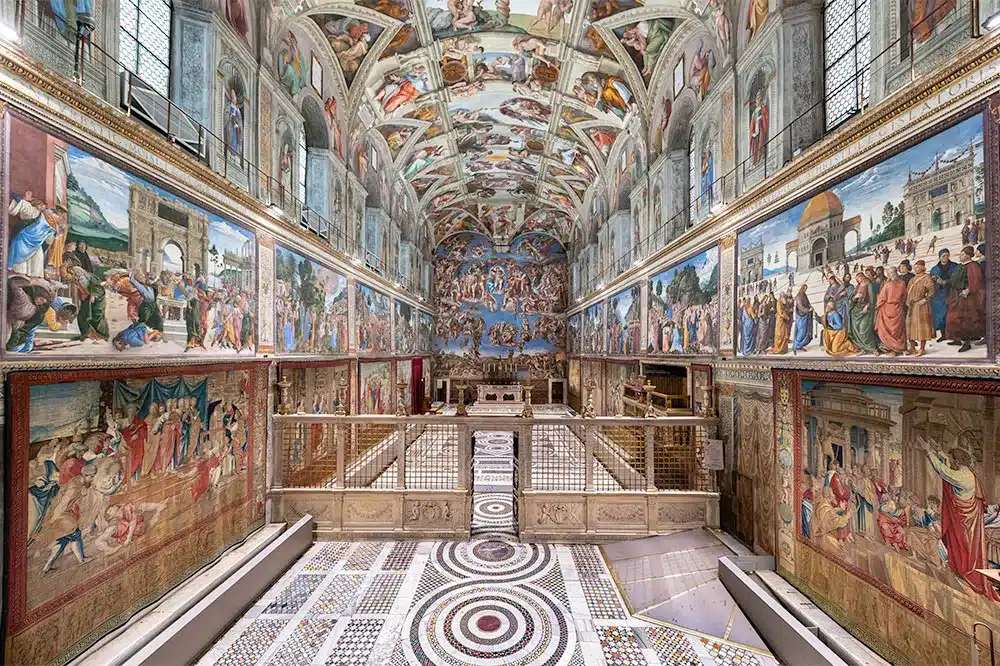
The Historical Context: Rome in the Renaissance and Michelangelo’s Sistine Chapel
To understand the significance of the Michelangelo’s Sistine Chapel ceiling, we must first step into the world of Renaissance Rome. The early 16th century was a time of profound cultural and intellectual flourishing.
The Catholic Church, under Pope Julius II, sought to assert its authority and grandeur through ambitious building projects and patronage of the arts.
The Vatican was the epicenter of this movement, and Michelangelo’s Sistine Chapel—constructed between 1473 and 1481—was already a site of religious and artistic importance. Its walls were adorned with frescoes by masters such as Botticelli, Ghirlandaio, and Perugino, depicting scenes from the life of Moses and Christ.
Pope Julius II, known as the “Warrior Pope,” dreamed of leaving his mark on Rome by commissioning works that would rival those of ancient Greece and Rome. It was under his direction that Michelangelo, already famed for his sculpture of David, was called to undertake one of the most daunting artistic tasks of the era: painting the ceiling of the Sistine Chapel.
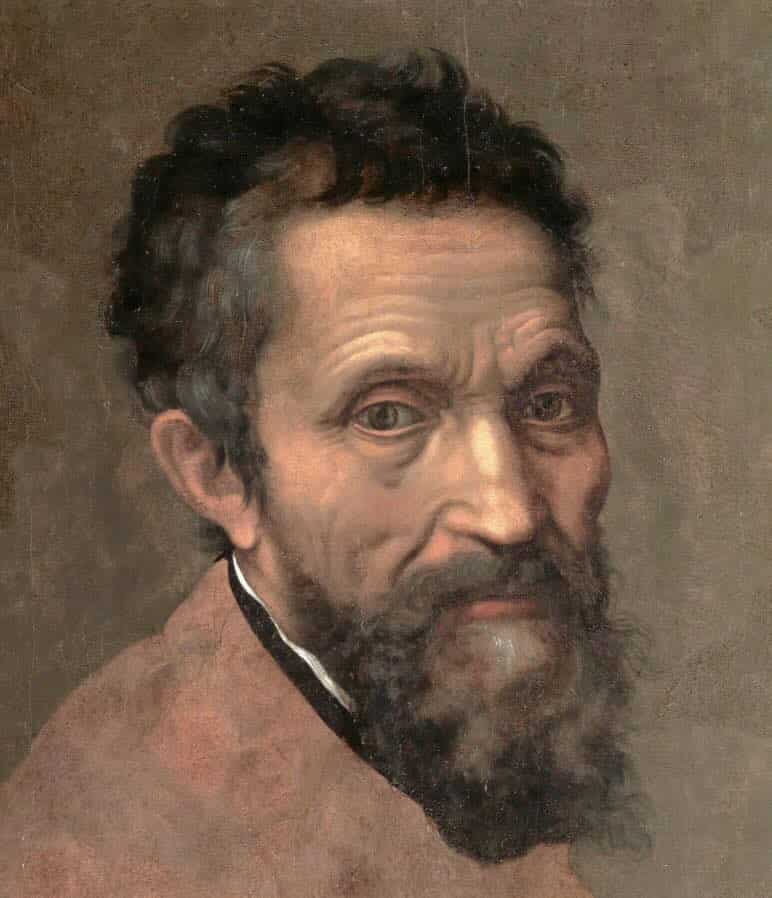
Michelangelo: The Reluctant Painter
Michelangelo Buonarroti, born in 1475, was a sculptor by training and temperament. He considered painting a lesser art and was initially reluctant to accept the commission for the Sistine Chapel. He feared it was a plot by his rivals to undermine his reputation. Nevertheless, Michelangelo accepted, driven by ambition and a sense of duty to his patron, Pope Julius II.
The project was monumental. The ceiling measured over 40 meters long and 13 meters wide, covering more than 500 square meters. Michelangelo was tasked with creating a series of frescoes that would not only complement the existing wall paintings but also elevate the chapel’s spiritual and artistic significance.
The Challenges of Michelangelo’s Sistine Chapel: Physical, Technical, and Emotional
Michelangelo faced a host of challenges during the creation of the Sistine Chapel ceiling.
Physical Hardships
The physical demands were extraordinary. Michelangelo designed his own scaffolding system, which allowed him to work while standing upright, rather than lying on his back as legend suggests. Even so, the work was grueling. He spent years craning his neck and reaching overhead, enduring discomfort, fatigue, and even health problems. In a famous letter to his friend Giovanni da Pistoia, Michelangelo lamented his suffering, describing his “crooked spine” and “beard pointing to heaven.”
Technical Difficulties
The fresco technique itself posed significant challenges. Fresco painting involves applying pigment to wet plaster, requiring speed, precision, and a deep understanding of chemistry. Michelangelo had little experience with fresco before starting the project, and he encountered setbacks, including mold growth and flaking paint. He had to learn quickly, adapting his methods and experimenting with new approaches to ensure the durability and vibrancy of his work.
Artistic Ambition
Michelangelo’s artistic vision was ambitious. He rejected the original plan, which called for simple geometric patterns and apostles, and instead proposed a complex narrative that would encompass the entire history of humanity—from Creation to the Last Judgment. He wanted to create a work that would rival the grandeur of ancient art and convey the spiritual drama of the Bible.
The Techniques: Innovation and Mastery of Michelangelo’s Sistine Chapel
Michelangelo’s approach to the Sistine Chapel ceiling was revolutionary. He combined traditional fresco techniques with his own innovations, creating a dynamic and expressive style that would influence generations of artists.
Fresco Painting
Fresco painting is an ancient technique, but Michelangelo elevated it to new heights. He applied pigment to fresh plaster in small sections, known as “giornate,” working quickly before the plaster dried. This method allowed for vibrant colors and a seamless integration of forms.
Use of Light and Shadow
Michelangelo was a master of chiaroscuro—the use of light and shadow to create depth and drama. His figures are sculptural, almost three-dimensional, with muscles and contours that seem to leap from the ceiling. He used bold contrasts to highlight key scenes and guide the viewer’s eye across the vast expanse.
Anatomical Precision
Drawing on his experience as a sculptor, Michelangelo endowed his figures with unprecedented anatomical accuracy. The bodies are powerful, dynamic, and expressive, reflecting his deep study of human anatomy. This realism was groundbreaking, setting a new standard for Renaissance art.
Complex Composition
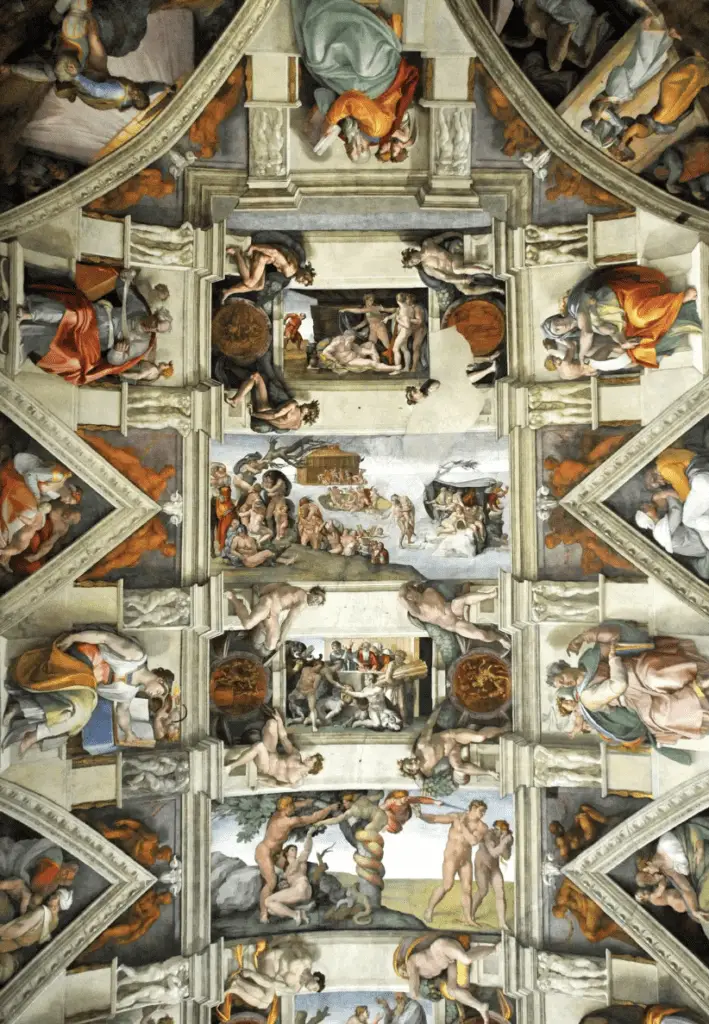
The composition of the Sistine Chapel ceiling is intricate and layered. Michelangelo arranged the scenes in a series of panels, surrounded by decorative elements and figures known as “ignudi” (nude youths). The central panels depict stories from Genesis, flanked by prophets, sibyls, and ancestors of Christ. The arrangement creates a sense of movement and narrative progression, inviting viewers to contemplate the unfolding drama of salvation.
The Stories Behind the Frescoes and Michelangelo’s Sistine Chapel
Michelangelo’s Sistine Chapel ceiling is a visual encyclopedia of biblical history and theology. Each panel tells a story, rich with symbolism and meaning.
The Creation of Adam
Perhaps the most famous image is “The Creation of Adam,” where God reaches out to touch the hand of Adam, imparting the spark of life. This scene has become an icon of human potential and divine inspiration. The composition is masterful, with the two figures separated by a gap that suggests both connection and distance, inviting viewers to ponder the mystery of existence.
The Creation of Eve
Another striking panel is “The Creation of Eve,” where Eve emerges from Adam’s side, greeted by God. Michelangelo’s depiction emphasizes the dignity and grace of Eve, highlighting her role as the mother of humanity.
The Expulsion from the Garden
The “Expulsion from the Garden of Eden” captures the tragedy of human disobedience. Adam and Eve are driven from paradise, their bodies twisted in shame and sorrow. Michelangelo’s portrayal is raw and emotional, reflecting the consequences of sin.
The Flood
“The Flood” panel depicts the chaos and destruction of God’s judgment. Figures scramble for safety, some clinging to the ark, others perishing in the waters. Michelangelo’s composition conveys the drama and urgency of the moment, reminding viewers of the fragility of life.
Prophets and Sibyls
Surrounding the central panels are prophets and sibyls—figures from biblical and classical tradition who foretold the coming of Christ. These figures are monumental, their faces etched with wisdom and intensity. Michelangelo’s inclusion of sibyls, pagan prophetesses, reflects the Renaissance fascination with classical antiquity and the universality of spiritual truth.
The Ignudi
The ignudi, or nude youths, are among the most enigmatic elements of the ceiling. Their purpose is debated, but they add a sense of vitality and beauty, framing the narrative panels and showcasing Michelangelo’s mastery of the human form.
The Impact: Changing the Course of Art
The completion of the Sistine Chapel ceiling marked a turning point in the history of art. Michelangelo’s achievement was recognized immediately, and artists from across Europe flocked to Rome to study his work.
Influence on Renaissance Art
Michelangelo’s dynamic figures, anatomical precision, and expressive style set a new standard for Renaissance art. Painters such as Raphael and Pontormo were inspired by his innovations, incorporating his techniques into their own works. The ceiling became a benchmark for artistic excellence, influencing generations of artists.
The Birth of Mannerism
The complexity and drama of Michelangelo’s compositions paved the way for the Mannerist movement, characterized by exaggerated forms, unusual perspectives, and heightened emotion. Artists began to experiment with new styles, pushing the boundaries of artistic expression.
Spiritual and Cultural Significance
Beyond its artistic impact, the Sistine Chapel ceiling became a symbol of spiritual aspiration and cultural achievement. It embodied the ideals of the Renaissance—the pursuit of beauty, truth, and human potential. The ceiling’s narratives invite viewers to reflect on the mysteries of creation, the nature of humanity, and the promise of redemption.
The Restoration: Preserving a Masterpiece
Over the centuries, the Sistine Chapel ceiling suffered from exposure to smoke, dust, and humidity, obscuring its colors and details. In the 1980s and 1990s, a major restoration project was undertaken to clean and preserve the frescoes. The results were astonishing—Michelangelo’s vibrant colors and intricate designs were revealed, renewing appreciation for his genius.
The restoration sparked debate among scholars and artists, some of whom argued that the cleaning altered the original appearance. Nevertheless, the project ensured that the ceiling would endure for future generations, allowing millions to experience its beauty firsthand.
The Sistine Chapel Today: A Living Legacy
Today, the Sistine Chapel remains one of the most visited sites in the world. Pilgrims and tourists alike gather beneath its vault, drawn by the power of Michelangelo’s art. The chapel is still used for important religious ceremonies, including papal conclaves, linking its artistic legacy to the ongoing life of the Church.
The ceiling continues to inspire artists, writers, and thinkers, serving as a touchstone for discussions about creativity, spirituality, and the human condition. Its images appear in countless reproductions, from textbooks to advertisements, testifying to its enduring influence.
Lessons from Michelangelo’s Sistine Chapel
The story of the Sistine Chapel ceiling offers lessons that resonate far beyond the realm of art.
Perseverance in the Face of Adversity
Michelangelo’s determination and resilience are a model for anyone facing daunting challenges. Despite physical pain, technical difficulties, and emotional turmoil, he persisted, driven by a vision of what was possible.
The Power of Innovation
Michelangelo’s willingness to experiment and innovate transformed the ceiling into a masterpiece. His techniques and ideas changed the course of art, demonstrating the importance of creativity and boldness.
The Importance of Storytelling
The frescoes of the Sistine Chapel are more than decorative—they are narratives that engage the viewer, inviting reflection and dialogue. Michelangelo’s storytelling elevates the art, making it accessible and meaningful to people of all backgrounds.
The Pursuit of Excellence
Michelangelo’s commitment to excellence is evident in every brushstroke. He set a standard that inspired others to strive for greatness, reminding us of the value of dedication and passion.
Michelangelo’s Sistine Chapel ceiling is a triumph of art, faith, and human ingenuity. It stands as a testament to the power of creativity, the resilience of the human spirit, and the enduring impact of great art. The challenges Michelangelo faced, the techniques he mastered, and the stories he told continue to captivate and inspire, centuries after their creation.
As we gaze up at the ceiling, we are reminded of the possibilities that lie within each of us—the capacity to dream, to create, and to transform the world. Michelangelo’s masterpiece changed art forever, but its greatest legacy may be the inspiration it offers to all who stand beneath its vault, daring us to reach for the sublime.
Anita Louise Art is dedicated to art education, great artists, and inspiring others to find and create their art. We love art that uplifts and inspires. #ArtToMakeYouSmile! #ArtToMakeYouHappy!
If you want to see any of my art, you can find out more by clicking here. If you are interested in what inspires me and my paintings, you can discover more by clicking here.
We have a free newsletter and would love you to be part of our community; you can subscribe to the newsletter by clicking here. If you have any questions, I would be happy to talk to you anytime. You can reach me, Anita, by clicking here.
Subscribe to our Anita Louise Art YouTube Channel with great videos and information by clicking here.
Join us for our podcast “5 Minutes With Art or Deep Dive with 5 Minutes With Art” Spend just a few minutes a week with us to discover and learn about great art and artists. You can find out more about our podcast by clicking here.
Related Questions
The Myth of the Tortured Artist: Is Suffering the Secret Ingredient to Greatness?
There is a persistent, almost seductive belief in the art world: that to create truly profound work, an artist must first be broken. We have romanticized the “starving artist” and the “mad genius” to the point where we sometimes wonder if stability is the enemy of creativity. But is this true? Is suffering actually a prerequisite for greatness, or is the “Tortured Artist” a myth that does more harm than good?
The Myth of the Tortured Artist: Is Suffering the Secret Ingredient to Greatness? Click here to learn more.
Van Gogh Color Symbolism: The Secret Language of Yellow and Blue and What It Reveals About the Human Soul
If you were to close your eyes and think of the name “Vincent van Gogh,” what do you see? Chances are, it isn’t just a face with a red beard. It’s a vivid display of Van Gogh Color Symbolism—a collision of colors that define his art: the searing, almost blinding yellow of a sunflower set against a swirling, deep-midnight blue. These iconic hues are more than aesthetic choices; they embody the emotional depth and creative vision that make Van Gogh’s work so unforgettable.
Van Gogh Color Symbolism: The Secret Language of Yellow and Blue and What It Reveals About the Human Soul Click here to discover more.
Katsushika Hokusai: The “Old Man Mad About Drawing” Who Changed the World
We often think of “influencers” as a modern phenomenon, but Katsushika Hokusai proves that true influence transcends time and technology. In the 19th century, Katsushika Hokusai was the biggest influencer in the art world—not with a smartphone, but with a woodblock, a bowl of Prussian Blue ink, and a spiritual obsession with a mountain. His groundbreaking work continues to inspire artists and admirers around the globe.