We often think of “influencers” as a modern phenomenon, but if we go back to the 19th century, the biggest influencer in the art world didn’t have a smartphone. He had a woodblock, a bowl of Prussian Blue ink, and a spiritual obsession with a mountain.
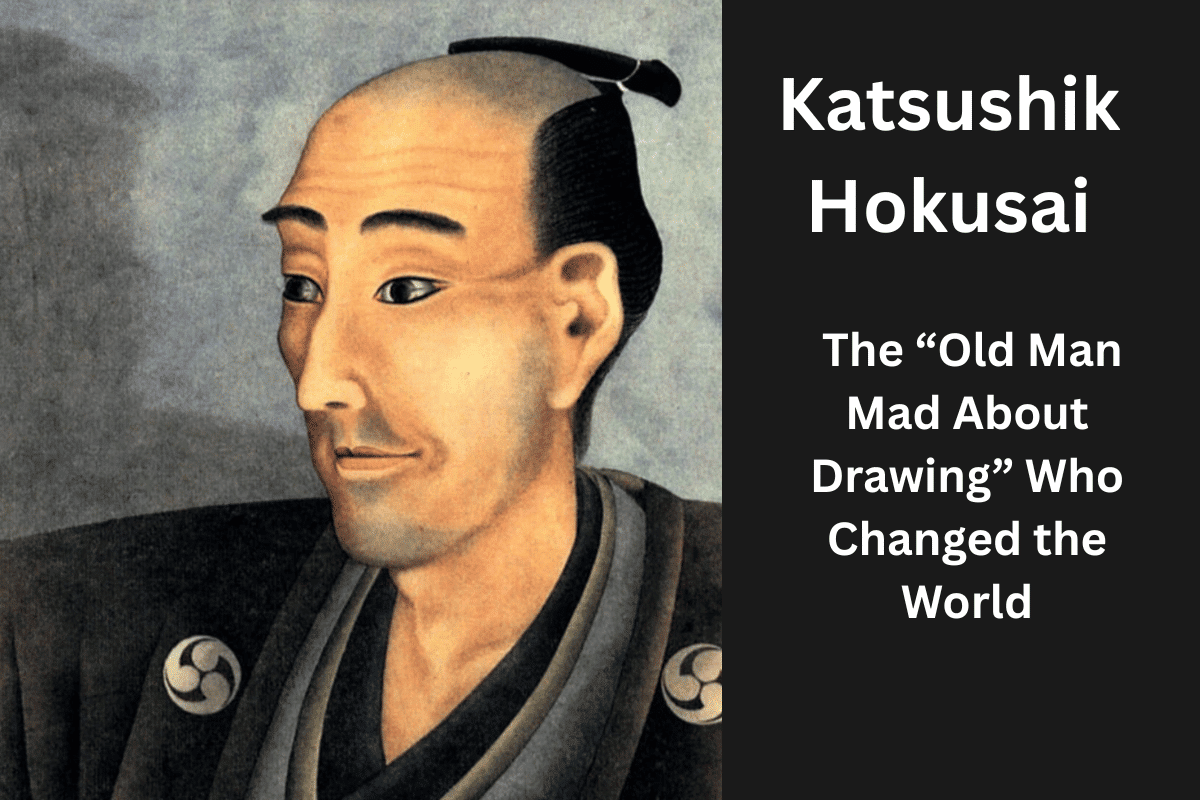
His name was Katsushika Hokusai. You might know him from a single image: a towering, claw-like wave about to crash down on three tiny boats, with a snow-capped Mount Fuji sitting stoically in the background. The Great Wave off Kanagawa is arguably the most famous Japanese artwork in history. But behind that wave was a man who lived 88 years, changed his name 30 times, and essentially “taught” the European masters—including our favorite, Vincent van Gogh—how to see the world differently.
Table of Contents
- The Mirror Maker’s Son: A Life of 30,000 Sketches
- Why Hokusai Matters Today
- Deep Dive Podcast
- Related Questions
The Mirror Maker’s Son: A Life of 30,000 Sketches
Hokusai wasn’t born a legend; he was born “Tokitarō” in 1760 in Edo (modern-day Tokyo). His father was a mirror maker for the Shogunate.
In those days, mirrors weren’t just glass; they were polished metal, often decorated with intricate paintings. It’s here, watching his father paint designs on the backs of mirrors, that the young Hokusai likely caught the “drawing bug.”
By age 14, he was an apprentice to a woodblock engraver. This was the “tech school” of the Edo period.
He wasn’t just learning to paint; he was learning the grueling, physical craft of carving wood so perfectly that it could print thousands of copies of an image. Eventually, he joined the studio of Katsukawa Shunshō, a master of Ukiyo-e.
Art Term Alert: Ukiyo-e Translating to “Pictures of the Floating World,” Ukiyo-e was the pop culture of the time. It focused on the hedonistic, beautiful, and fleeting moments of life: famous actors, beautiful courtesans, and urban landscapes.
The Man of Many Names (and Moving Vans)
Hokusai was… let’s say, eccentric. Most artists find a brand and stick to it. Hokusai? He changed his name every time his style evolved.
If he were around today, he’d be constantly changing his Instagram handle. He used at least 30 different names throughout his life, including “Gakyō Rōjin”—The Old Man Mad About Drawing.
He was also notoriously messy. Legend has it that he hated cleaning so much that whenever his studio became too filthy to inhabit, he simply packed his brushes and art supplies and moved. He reportedly moved house 93 times during his life!
The Master of the Mountain: Thirty-Six Views of Mount Fuji
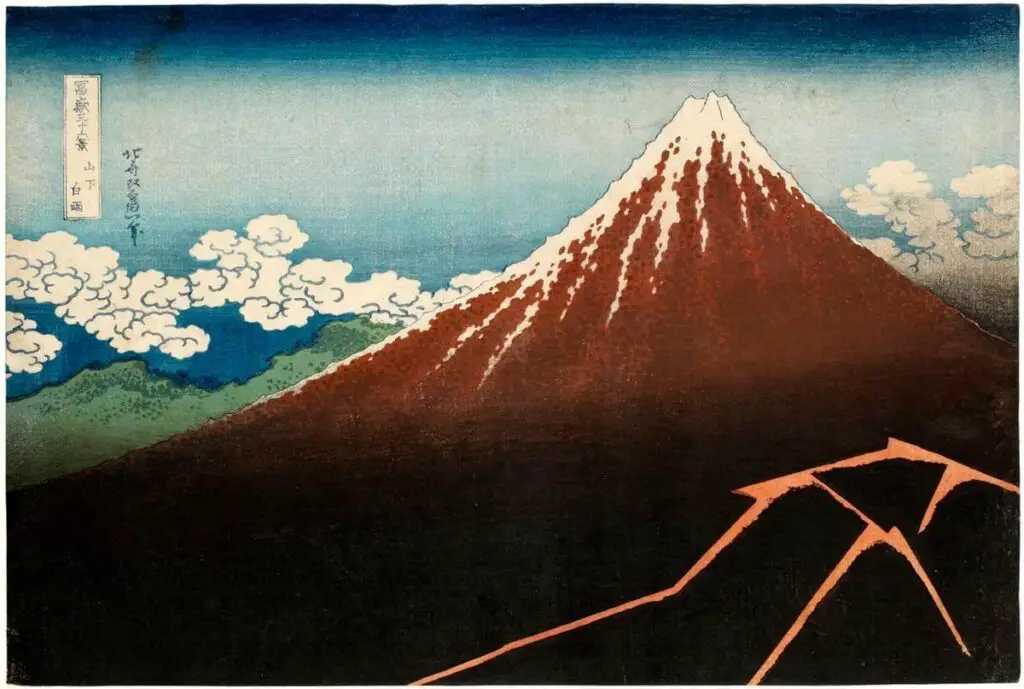
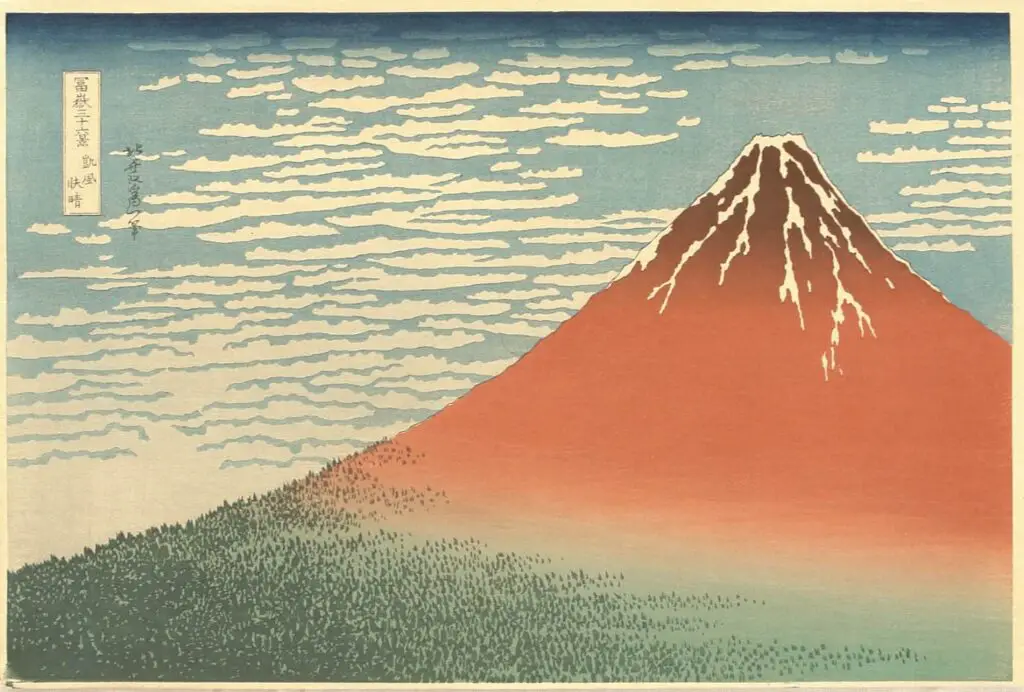
Hokusai was in his 70s—an age when most people in the 1800s were long retired—when he created his most iconic work. He became obsessed with Mount Fuji, seeing it not just as a landmark, but as a symbol of immortality and spiritual strength.
Between 1826 and 1833, he produced the series Thirty-Six Views of Mount Fuji. This series was revolutionary for two reasons:
- Landscape as the Hero: Before Hokusai, landscapes were usually just backgrounds for actors or beautiful women. Hokusai made the land (and the mountain) the main character.
- Prussian Blue: This was a new, synthetic pigment imported from Europe. It was deep, vibrant, and didn’t fade like vegetable dyes. Hokusai used it to create those iconic, moody blues that still look fresh today.
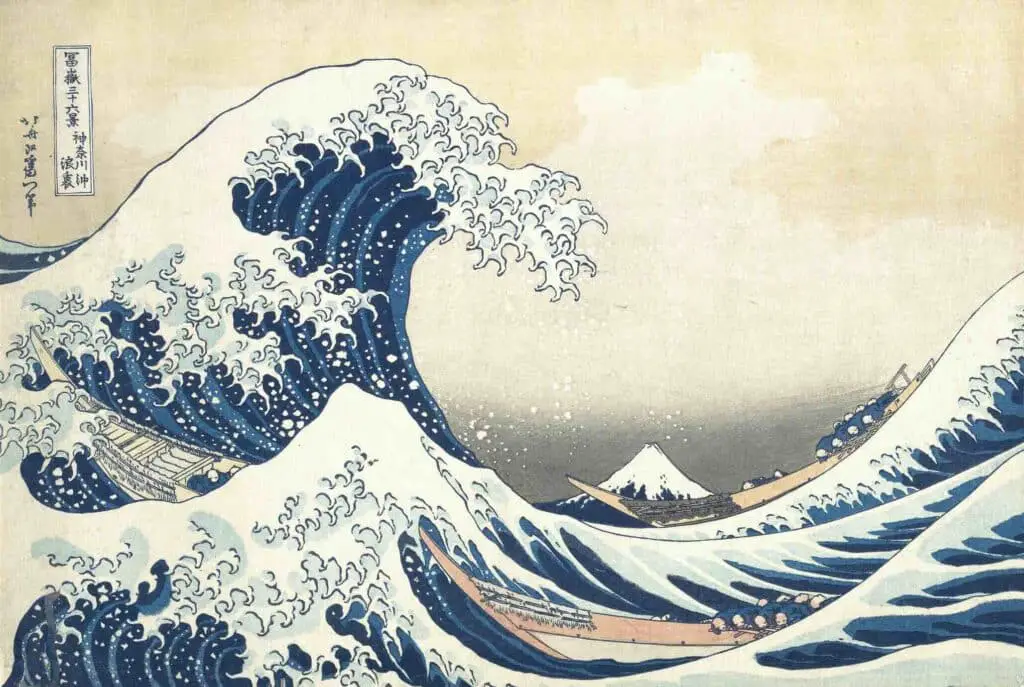
The Great Wave: More Than Just Water
Look closely at The Great Wave. It’s not just a pretty picture; it’s a study in tension. The wave is dynamic, fractal, and almost predatory. The boats are at the mercy of nature. But in the center? Mount Fuji. It is the only thing that is still.
Hokusai was experimenting with Linear Perspective—a technique he picked up from studying Western prints that had been smuggled into Japan via Dutch traders. He was blending East and West decades before the two worlds truly met.
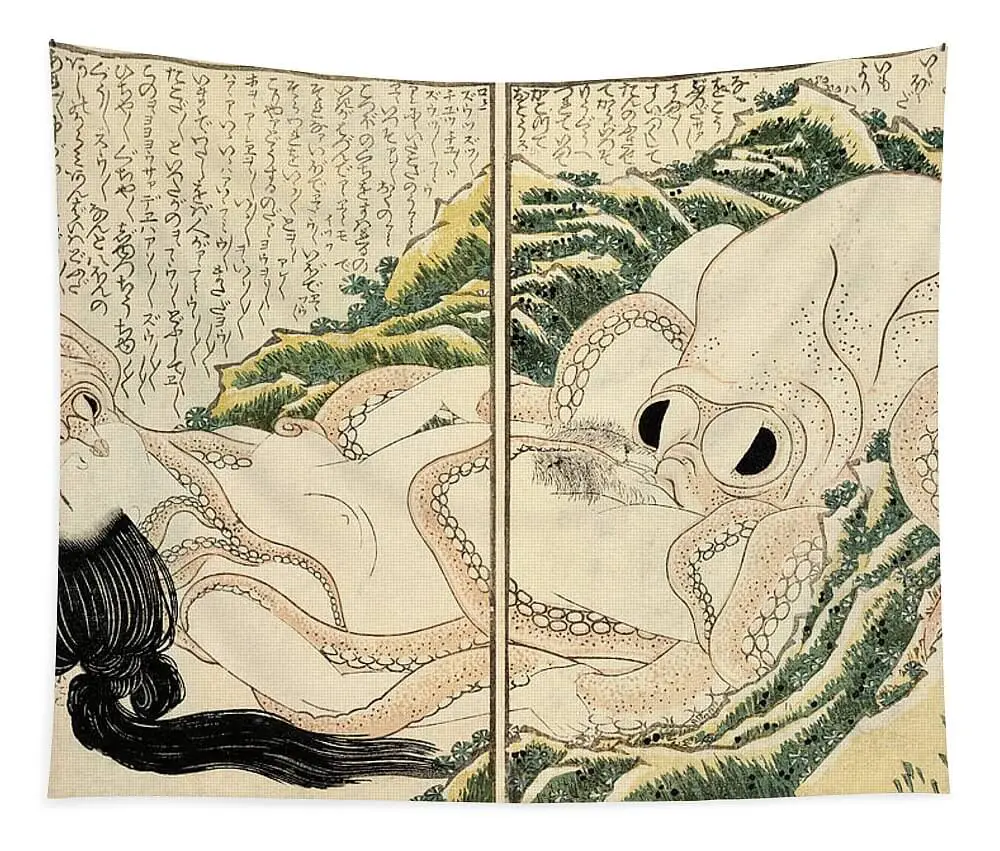
Japonisme: How Hokusai Conquered Europe
In the 1850s, Japan opened its borders to the West. Suddenly, Japanese goods were flooding into Europe. But the art wasn’t always sent as “art.” Sometimes, Hokusai’s prints were used as wrapping paper for porcelain!
French artists opened their tea sets and found these incredible, bold, flat-colored woodblocks. They were blown away. This sparked the Japonisme movement.
Vincent van Gogh was perhaps the biggest fanboy of them all. He started collecting Ukiyo-e prints (owning hundreds) and even painted them into the backgrounds of his own portraits.
“I envy the Japanese artists for the incredible clarity which all their work has… It’s never boring, and you never feel it’s done too hastily. Their work is as simple as breathing.” — Vincent van Gogh
If you look at Van Gogh’s The Starry Night, those swirling clouds look suspiciously like the curls in Hokusai’s Great Wave. The bold outlines and “flat” colors we love in Post-Impressionism? That’s Hokusai’s DNA in Western oil paint.
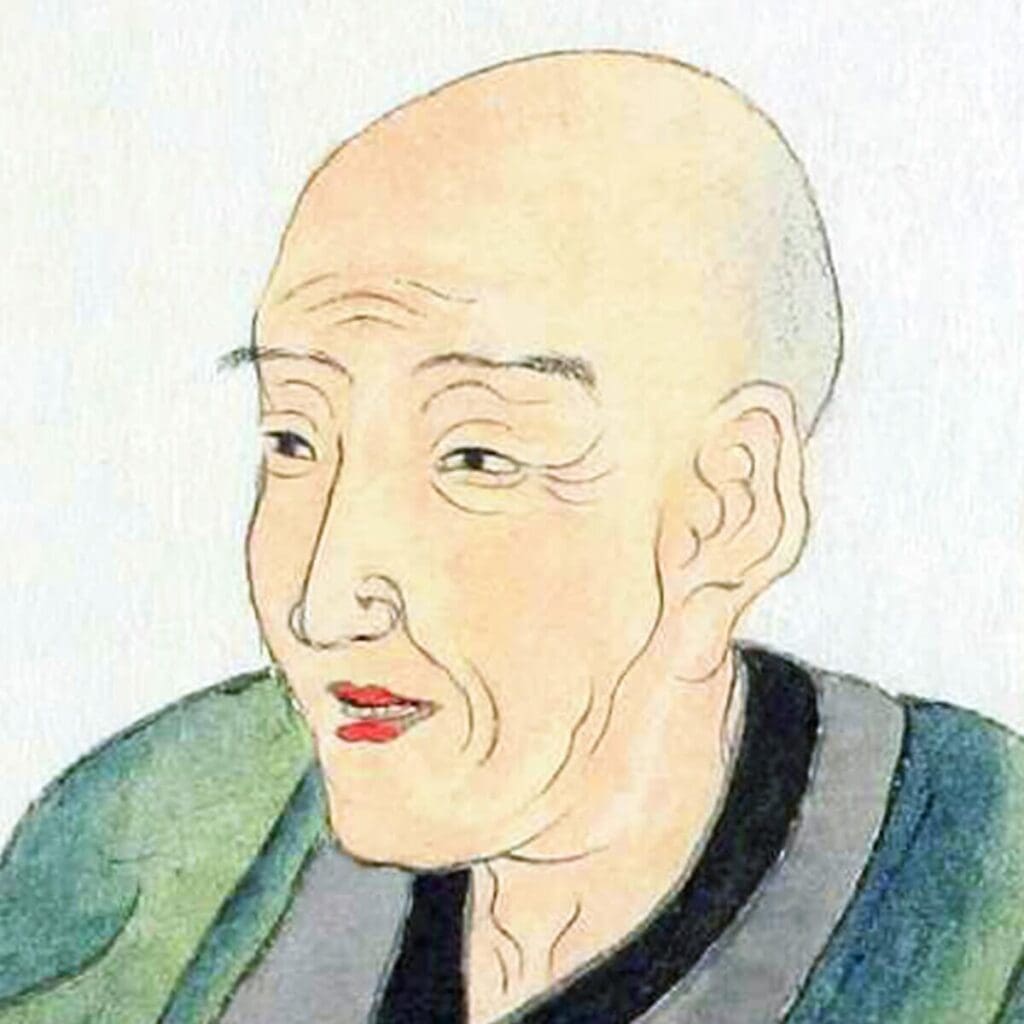
The Eternal Student
What makes Hokusai so relatable for us is his humility. Despite creating over 30,000 works, he felt he was only just getting started. On his deathbed at age 88, he famously said:
“If heaven gives me ten more years, or an extension of even five years, I shall surely become a true artist.”
He didn’t see himself as a master; he saw himself as a student of the world. This “madness” for drawing is what kept his work vibrant, innovative, and alive.
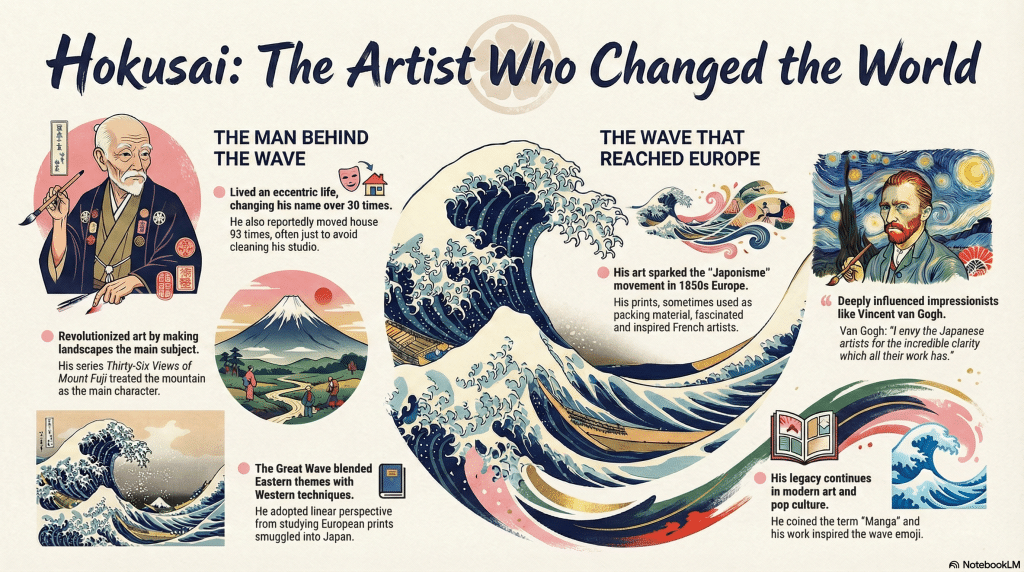
Why Hokusai Matters Today
Hokusai’s influence isn’t just in museums. It’s in Art Nouveau curves, it’s in the way Manga is drawn (he actually coined the term Manga for his sketchbooks!), and it’s in the very emoji on your phone 🌊.
He reminds us that art isn’t about being perfect; it’s about the relentless pursuit of seeing something—even a mountain you’ve seen a thousand times—in a brand-new way.
Deep Dive Podcast
Check out our Deep Dive Podcast.
Anita Louise Art is dedicated to art education, great artists, and inspiring others to find and create their art. We love art that uplifts and inspires. #ArtToMakeYouSmile! #ArtToMakeYouHappy!
If you want to see any of my art, you can find out more by clicking here. If you are interested in what inspires me and my paintings, you can discover more by clicking here.
We have a free newsletter and would love you to be part of our community; you can subscribe to the newsletter by clicking here. If you have any questions, I would be happy to talk to you anytime. You can reach me, Anita, by clicking here.
Subscribe to our Anita Louise Art YouTube Channel with great videos and information by clicking here.
Join us for our podcast “5 Minutes With Art or Deep Dive with 5 Minutes With Art” Spend just a few minutes a week with us to discover and learn about great art and artists. You can find out more about our podcast by clicking here.
Related Questions
Pulling Back the Curtain: Women Artists of the Baroque Era Who Shattered Conventions
The names Caravaggio, Bernini, and Rubens dominate the narrative, celebrated as the geniuses who defined one of art’s most theatrical and emotive periods. But what if that picture is incomplete? What if, hidden behind the shadows of these towering figures, there were women whose contributions were equally groundbreaking yet overlooked by history?
You can read Pulling Back the Curtain: Women Artists of the Baroque Era Who Shattered Conventions by clicking here.
Where Did The Renaissance Begin? Why It Was Essential
The Renaissance began in Florence, Italy in the 14th Century. Florence was essential for the Renaissance because of its location, wealth, and many other factors. As we explore the Renaissance and Florence, this vital movement started.
You can read more by reading our blog, Where Did The Renaissance Begin? Why It Was Essential by clicking here.
Italy – Renaissance Art Defined And Explored
Originating in Florence, Italy, the Italian Renaissance is pivotal in shaping this transformative era, laying the artistic foundations we continue to admire today. Celebrated for its revival of classical ideals and introduction of innovative artistic techniques, the period also stands as a staunch advocate of humanistic values. Join us as we delve deeper into this fascinating Italian Renaissance art history chapter.
By clicking here, you can discover more by reading Italy – Renaissance Art Defined And Explored.

Leave a Reply
You must be logged in to post a comment.