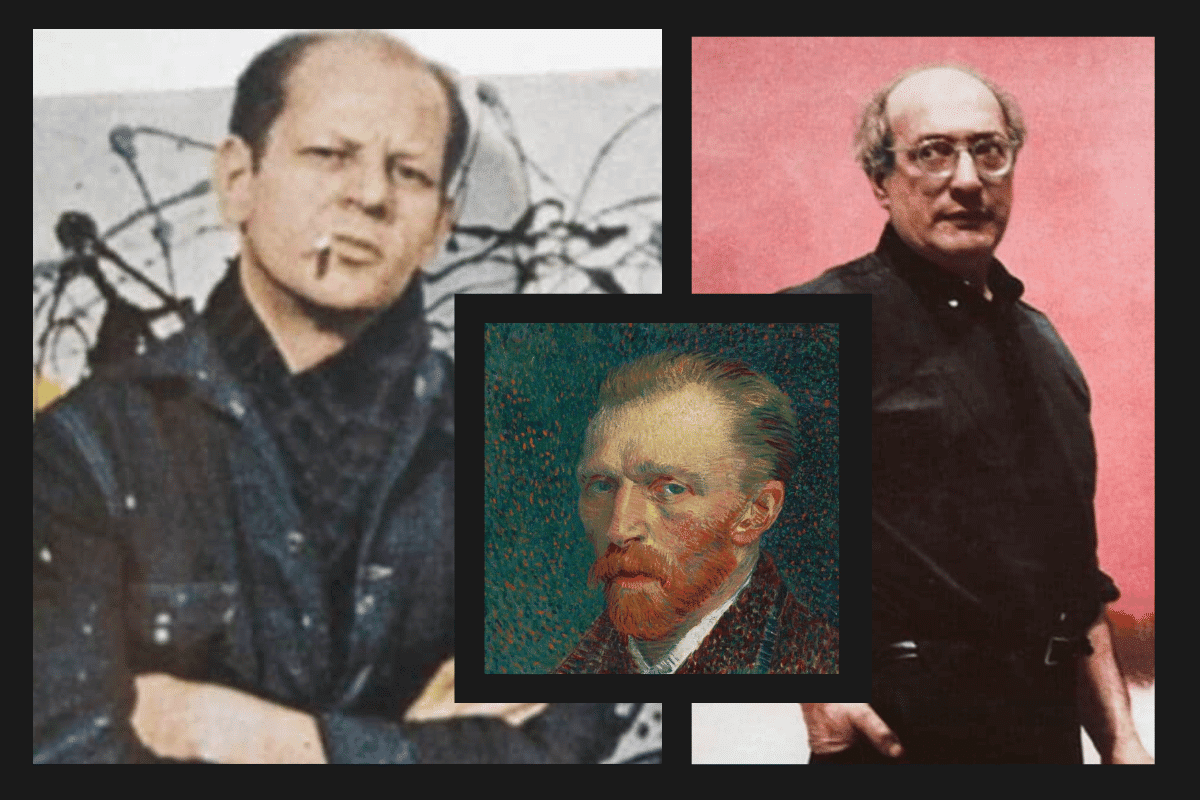
In the hollowed halls of the world’s most prestigious museums, we stand before canvases that cost more than small islands. We marvel at the swirling stars of Vincent van Gogh, the chaotic energy of Jackson Pollock, and the brooding, deep voids of Mark Rothko. We call them geniuses. But often, in the same breath, we call them “tortured.”
There is a persistent, almost seductive belief in the art world: that to create truly profound work, an artist must first be broken. We have romanticized the “starving artist” and the “mad genius” to the point where we sometimes wonder if stability is the enemy of creativity. But is this true? Is suffering actually a prerequisite for greatness, or is the “Tortured Artist” a myth that does more harm than good?
Table of Contents
- The Faces of the Legend
- Why are we so drawn to the “Tortured” narrative?
- The Danger of the Myth: Does Suffering Actually Help?
- Great Art Without the Agony: The Counter-Examples
- Finding the Balance: Empathy, Not Romanticization
- The Light in the Dark
- Deep Dive Podcast
- Related Questions
The Faces of the Legend
To understand why we are so drawn to this narrative, we have to look at the giants who lived it. Their lives provide the “proof” that the public uses to link mental anguish with artistic brilliance.

1. Vincent van Gogh: The Patron Saint of the Struggle
When we speak of the tortured artist, Vincent is our first thought. His life is the ultimate template: he sold only one painting in his lifetime, he suffered from frequent psychotic episodes, he famously severed his own ear, and he ultimately took his own life at the age of 37.
We look at The Starry Night and see the turbulence of his mind. We see his thick impasto brushwork as a physical manifestation of his internal pressure.
But we often forget that Vincent didn’t paint because he was having a breakdown; he painted during the brief, lucid windows between his episodes. For Vincent, art was the anchor keeping him from drifting away—not the storm itself.
2. Jackson Pollock: The Chaos and the Bottle
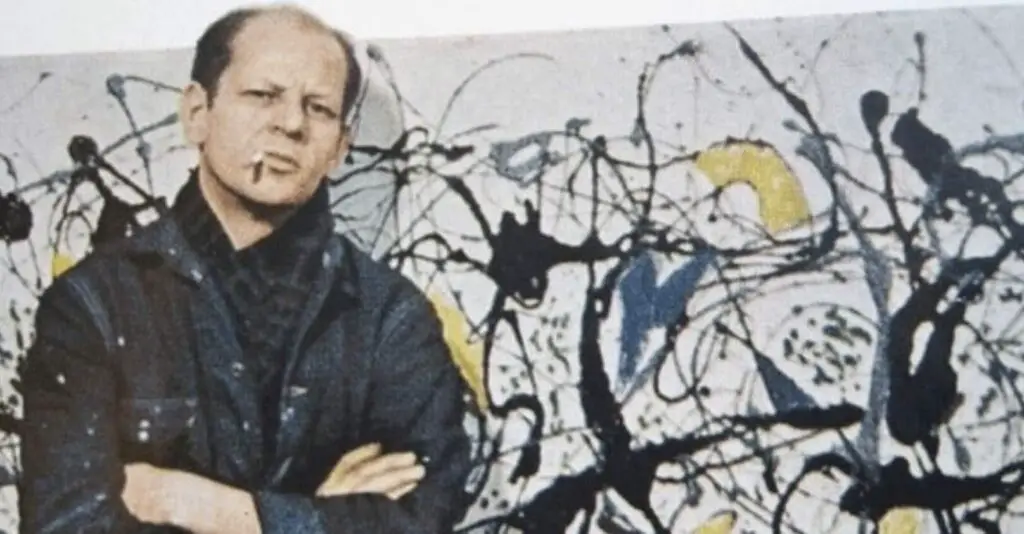
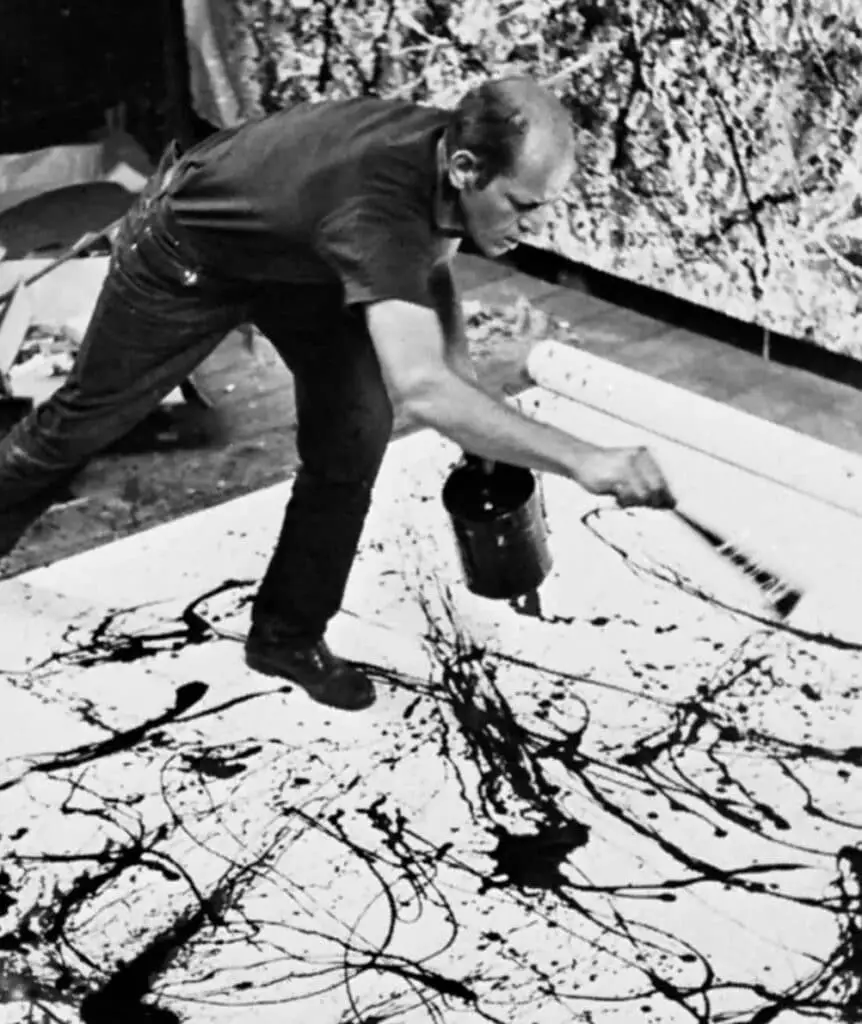
Jackson Pollock revolutionized the art world with his “drip” paintings, but his internal world was a landscape of volatility. Suffering from severe alcoholism and depression for his entire adult life, Pollock’s process was often seen as a form of “action painting” that mimicked his chaotic mental state.
He lived through long periods of creative block and crushing self-doubt. His tragic death in a 1956 car accident, while driving under the influence, cemented the idea that the same fire that fueled his art eventually consumed him.

3. Mark Rothko: The Void of Color
Mark Rothko’s massive color-field paintings are designed to evoke basic human emotions: tragedy, ecstasy, and doom. Rothko himself was a man of deep intellect and even deeper depression. He famously struggled with the commercialization of his work, feeling that the world didn’t truly “understand” the spiritual depth of his colors. In 1970, he died by suicide, leaving behind a legacy of paintings that feel like visual sighs of a tired soul.

Why are we so drawn to the “Tortured” narrative?
If suffering is so painful, why do we, the audience, find it so attractive? There are several psychological reasons why the “Tortured Artist” remains a bestseller:
The “Price of Genius” Theory
There is a human tendency to believe in a “cosmic balance.” We like to think that if someone is blessed with extraordinary talent, they must pay for it in another area of their life. By believing the artist is tortured, the audience feels a sense of equilibrium—they have the talent, but the observer has the “normalcy” and peace.
Authenticity Through Agony
In a world of artifice, we often equate pain with truth. We believe that if an artist is suffering, their work is more “authentic.” We assume that the dark colors or jagged lines are a raw, unfiltered transmission of their soul. It makes the viewer feel like they are witnessing something private and profoundly real.
The Romanticization of the Outsider
Society has always had a complicated relationship with those who don’t fit in. The artist is often the ultimate “outsider.” By framing their struggle as a “torture,” we turn their isolation into a heroic journey.
The Danger of the Myth: Does Suffering Actually Help?
While it is true that many great artists suffered, it is a dangerous leap to say they were great because of their suffering. In fact, many art historians and psychologists argue the opposite.
The Myth of “Creativity Through Madness”
When an artist is in the depths of a severe depressive episode or a psychotic break, they are rarely productive. Jackson Pollock, for instance, had years where he could barely pick up a brush because of his struggles.
True creativity requires a massive amount of focus, discipline, and cognitive energy. Suffering is exhausting. Most of the masterpieces we celebrate were created during times when the artist found a moment of stability or used their work as a disciplined form of therapy to escape their torture.
The Problem of the “Starving Artist”
The idea that artists need to be poor and hungry to be “real” is another branch of this myth. Financial stress is a leading cause of creative burnout. When an artist is worried about rent, they aren’t thinking about the “sublime”; they are thinking about survival. Some of history’s greatest artists, like Peter Paul Rubens or Andy Warhol, were incredibly savvy businesspeople who used their stability to fund their most ambitious projects.
Great Art Without the Agony: The Counter-Examples
To debunk the myth, we only need to look at the artists who lived long, relatively stable, and highly productive lives.
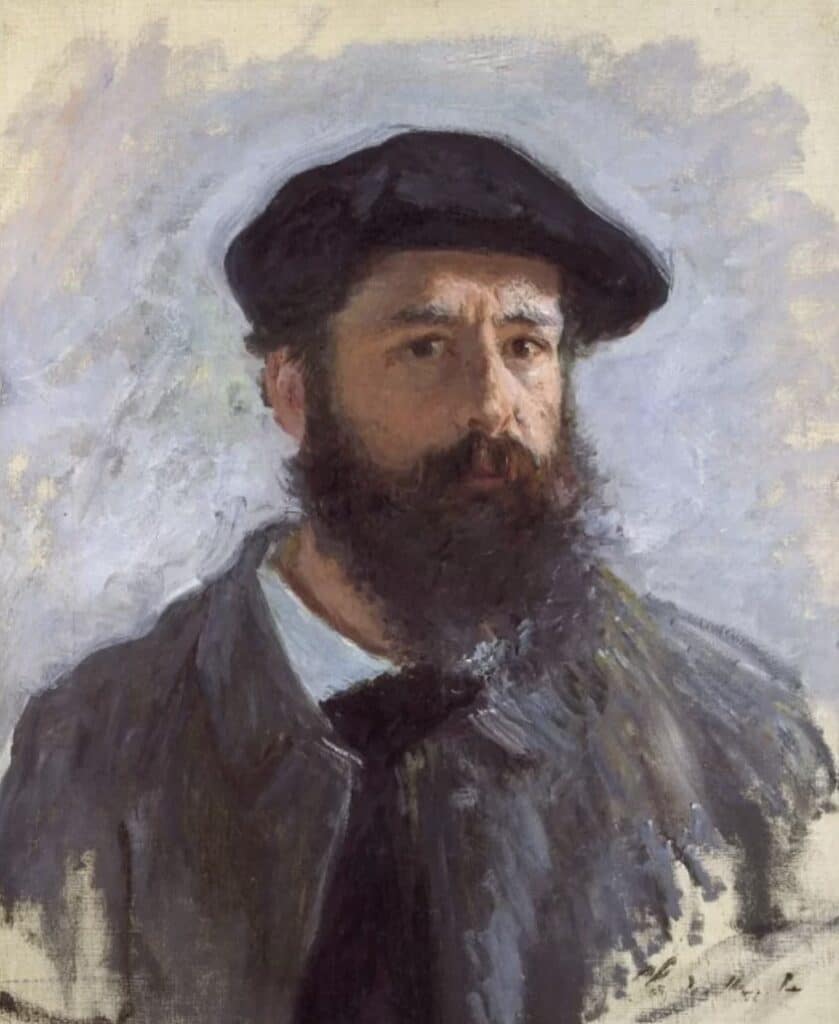
Claude Monet:
While he dealt with the loss of his wife and failing eyesight in his old age, Monet lived a long, prosperous life in Giverny. He was a disciplined gardener and a family man who produced thousands of works of joy and light.
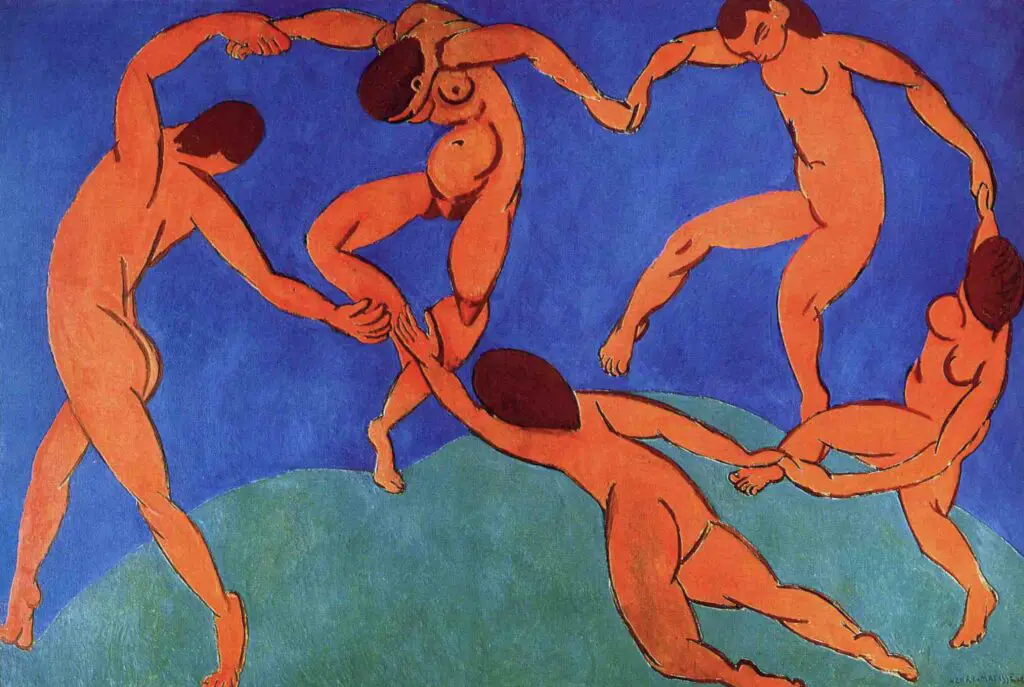
Henri Matisse:
Known for his “joy of life,” Matisse believed that art should be like a “good armchair” for the tired businessman. Even when he was bedridden later in life, he invented the “cut-out” technique, creating some of the most vibrant, life-affirming art in history.
David Hockney:
A living legend who has remained consistently productive and innovative for decades, Hockney is famously cheerful and driven by curiosity rather than angst.
Finding the Balance: Empathy, Not Romanticization
So, where does this leave us? We shouldn’t ignore the pain of Van Gogh or Rothko—their struggles were real and they deserve our deepest empathy. However, we must stop requiring that pain as a badge of artistic validity.
The “Secret Language of Color” that we explored in Van Gogh’s work wasn’t a product of his madness; it was a product of his genius. His madness was an obstacle he had to hurdle every single day just to reach his canvas.
The Modern Shift
Today, we are beginning to value the health of the artist. We are realizing that a supported, healthy artist is one who can create for seventy years instead of thirty. We are learning that the “torture” isn’t the source of the art; the resilience is.
The Light in the Dark
We are drawn to artists like Van Gogh not because they were “crazy,” but because they were human. They felt the things we all feel—loneliness, awe, sadness, and hope—but they had the extraordinary skill to put those feelings into a form we can see.
Suffering isn’t the fuel for great art; it is simply part of the human condition that artists help us navigate. When we look at a Rothko or a Pollock, we shouldn’t celebrate their pain. We should celebrate the fact that, despite their pain, they found the strength to leave something beautiful behind for the rest of us.
Great art doesn’t require a tortured soul. It only requires a soul that is willing to look at the world and say, “I see this. Do you see it too?”
Deep Dive Podcast
Check out our Deep Dive Podcast
Anita Louise Art is dedicated to art education, great artists, and inspiring others to find and create their art. We love art that uplifts and inspires. #ArtToMakeYouSmile! #ArtToMakeYouHappy!
If you want to see any of my art, you can find out more by clicking here. If you are interested in what inspires me and my paintings, you can discover more by clicking here.
We have a free newsletter and would love you to be part of our community; you can subscribe to the newsletter by clicking here. If you have any questions, I would be happy to talk to you anytime. You can reach me, Anita, by clicking here.
Subscribe to our Anita Louise Art YouTube Channel with great videos and information by clicking here.
Join us for our podcast “5 Minutes With Art or Deep Dive with 5 Minutes With Art” Spend just a few minutes a week with us to discover and learn about great art and artists. You can find out more about our podcast by clicking here.
Related Questions
Pulling Back the Curtain: Women Artists of the Baroque Era Who Shattered Conventions
The names Caravaggio, Bernini, and Rubens dominate the narrative, celebrated as the geniuses who defined one of art’s most theatrical and emotive periods. But what if that picture is incomplete? What if, hidden behind the shadows of these towering figures, there were women whose contributions were equally groundbreaking yet overlooked by history?
You can read Pulling Back the Curtain: Women Artists of the Baroque Era Who Shattered Conventions by clicking here.
Where Did The Renaissance Begin? Why It Was Essential
The Renaissance began in Florence, Italy in the 14th Century. Florence was essential for the Renaissance because of its location, wealth, and many other factors. As we explore the Renaissance and Florence, this vital movement started.
You can read more by reading our blog, Where Did The Renaissance Begin? Why It Was Essential by clicking here.
Italy – Renaissance Art Defined And Explored
Originating in Florence, Italy, the Italian Renaissance is pivotal in shaping this transformative era, laying the artistic foundations we continue to admire today. Celebrated for its revival of classical ideals and introduction of innovative artistic techniques, the period also stands as a staunch advocate of humanistic values. Join us as we delve deeper into this fascinating Italian Renaissance art history chapter.
By clicking here, you can discover more by reading Italy – Renaissance Art Defined And Explored.

Leave a Reply
You must be logged in to post a comment.