
Art forgery is a shadowy world that combines creativity, deception, and meticulous craftsmanship. Historically, this field has been dominated by men, with names like Han van Meegeren, Elmyr de Hory, and Wolfgang Beltracchi stealing the spotlight. However, hidden in the margins of history are women who, through extraordinary artistic skill and ingenuity, made their mark in this clandestine sphere.
These forgotten female forgers challenge traditional narratives of art history and force us to rethink the boundaries between genius and crime. Their stories are complex, often blurring the lines between artistic expression and criminal deception.
The Women Behind the Forgeries
While the names of male forgers are often celebrated or condemned in the annals of history, the stories of female forgers have frequently gone unnoticed.
Below, we explore some of the most notable women who made their mark on the world of art forgery, deception, and fraud.
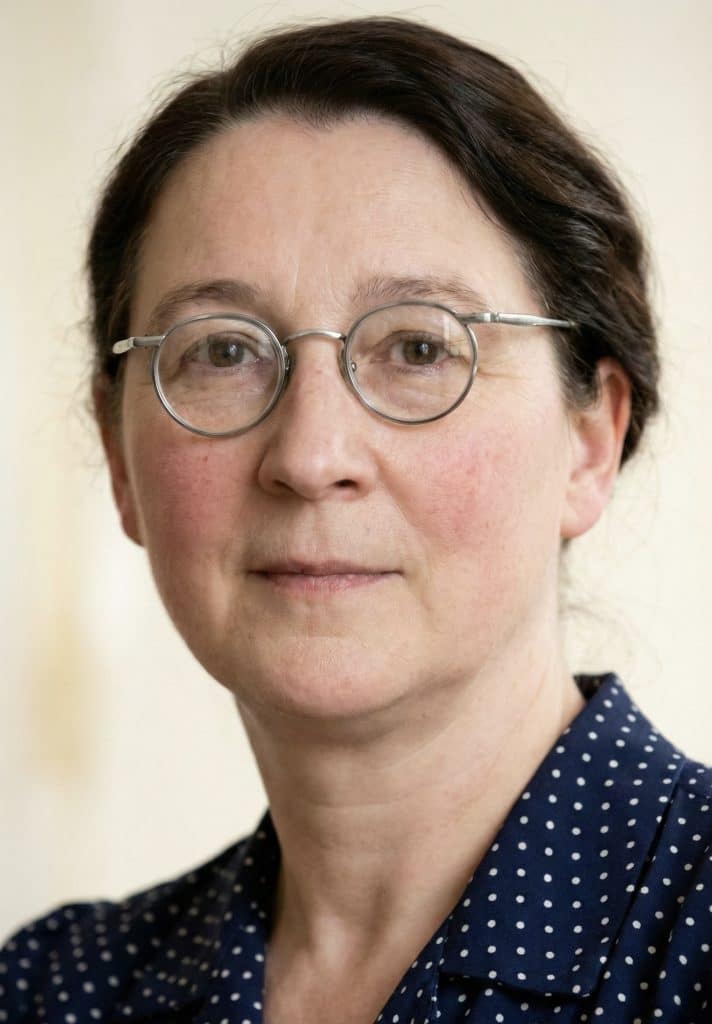
1. Rose Valland (1898–1980): The Protector of Stolen Art
Though not a traditional forger, Rose Valland’s story is deeply intertwined with the themes of deception and art preservation.
A French art historian and curator, Valland worked at the Jeu de Paume Museum in Paris during World War II, which the Nazis used as a storage site for looted art from Jewish families and others.
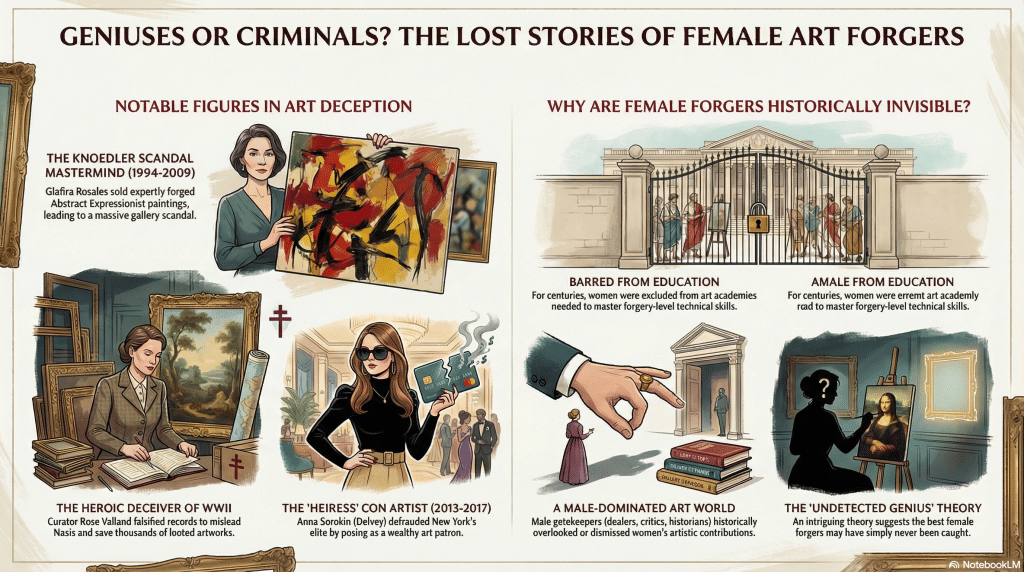
Risking her life, Valland secretly documented the stolen artworks, including details about their origins and destinations. Her meticulous records played a crucial role in recovering thousands of pieces after the war. In some cases, she even falsified records to mislead the Nazis and save priceless works.
Valland’s legacy is that of a hero who used deception for a noble cause, challenging the simplistic notion of all art-related deception as inherently criminal. Her bravery and dedication to preserving cultural heritage remain an inspiration.
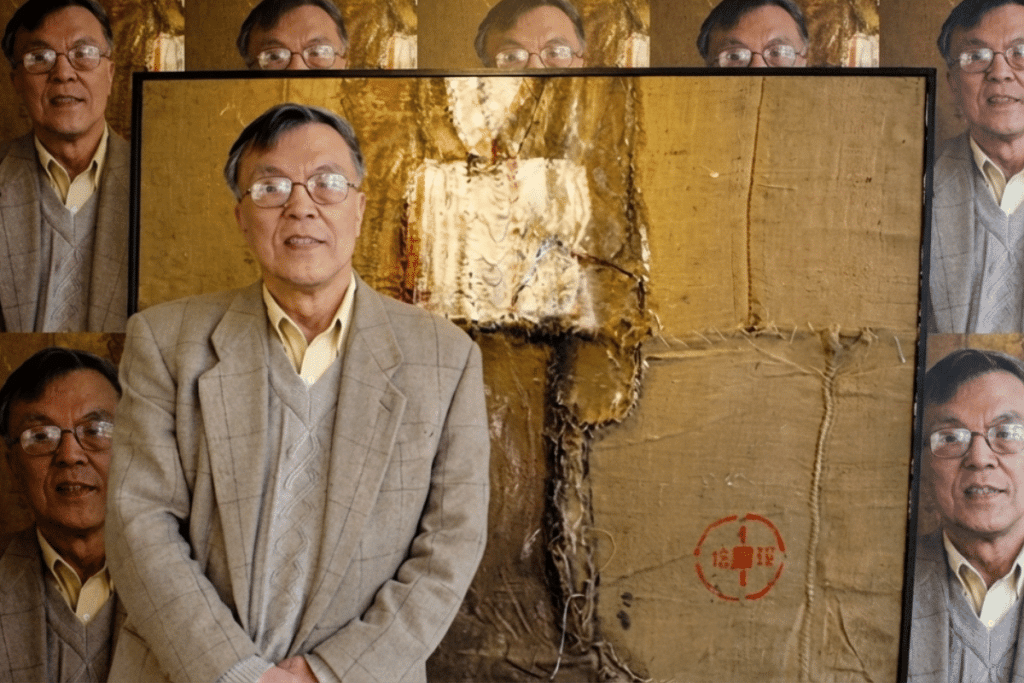
2. Glafira Rosales: The Woman Behind the Knoedler Scandal (1994–2009)
Glafira Rosales was a central figure in one of the most infamous art forgery scandals in history. Between 1994 and 2009, she worked with Chinese artist Pei-Shen Qian to create forged Abstract Expressionist artworks attributed to renowned artists like Mark Rothko, Jackson Pollock, and Willem de Kooning.
Rosales sold these fakes to prestigious galleries, including the Knoedler Gallery in New York, which unknowingly resold them for millions of dollars. The scandal came to light in 2011, leading to the closure of the 165-year-old gallery and a massive legal fallout. Rosales pleaded guilty to charges of wire fraud, money laundering, and tax evasion in 2013.
Her story underscores the role women have played in high-profile forgery schemes, even if they have often been overshadowed by their male counterparts.

3. Anna Sorokin (Anna Delvey): The Art of Deception (2013–2017)
While not a traditional art forger, Anna Sorokin—better known as Anna Delvey—used deception to infiltrate the art world. Between 2013 and 2017, Sorokin posed as a wealthy German heiress, defrauding individuals, banks, and institutions of hundreds of thousands of dollars.
She claimed to be establishing an exclusive art foundation and used her fabricated identity to gain access to New York’s elite social and art circles. Her elaborate schemes unraveled in 2017, leading to her arrest and eventual conviction in 2019.
Sorokin’s story, now immortalized in the Netflix series Inventing Anna, highlights how the art world’s obsession with wealth and exclusivity can make it vulnerable to deception.
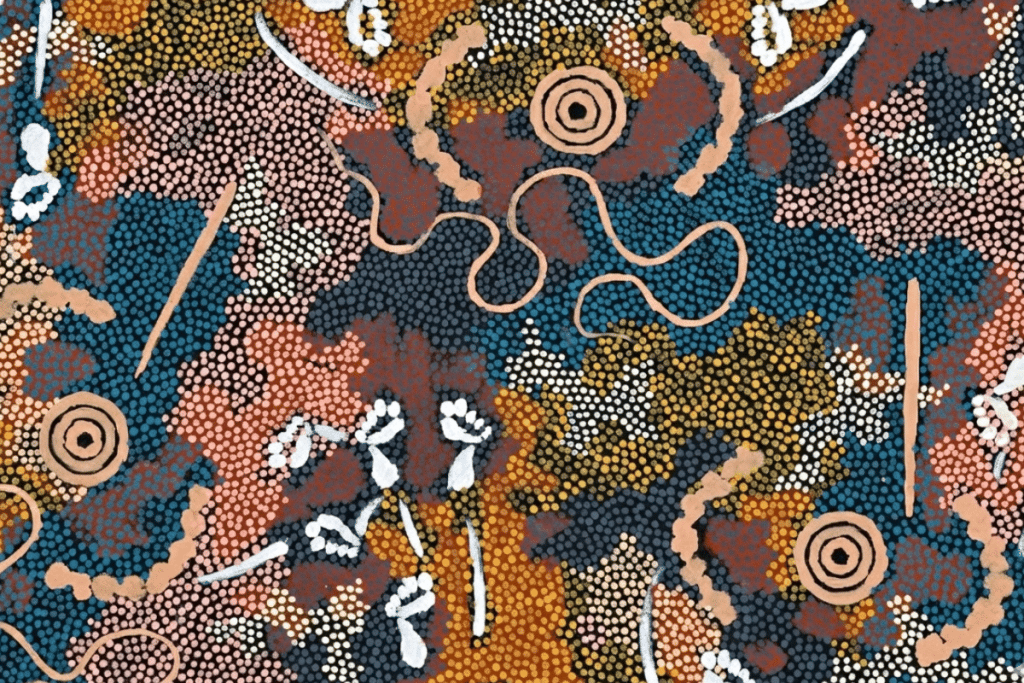
4. Aboriginal Art Forgeries: A Complex Legacy (1990s–2000s)
The Indigenous art market in Australia has faced its own forgery scandals, with some women artists (alongside men) implicated in producing works mimicking the styles of renowned Aboriginal artists like Emily Kame Kngwarreye and Clifford Possum Tjapaltjarri.
In some cases, these forgeries were created with community approval as a means of sustaining income, while in others, non-Indigenous artists created fraudulent works to exploit the booming market for Aboriginal art. Major scandals, such as a forgery ring uncovered in Melbourne in 2007, have raised ethical questions about authorship, cultural appropriation, and the commodification of Indigenous art.
These cases highlight the unique challenges faced by Indigenous artists and the complex dynamics of forgery within this cultural context.
Why Aren’t More Women Recognized as Art Forgers?
The relative absence of well-known female art forgers in history is not due to a lack of talent or ingenuity but rather to a combination of historical, societal, and institutional factors that have marginalized women in the art world.
While these barriers have lessened significantly in the modern era, their historical impact continues to shape perceptions of women’s roles in the art world. Let’s explore these factors in greater detail:
1. Limited Access to Art Education
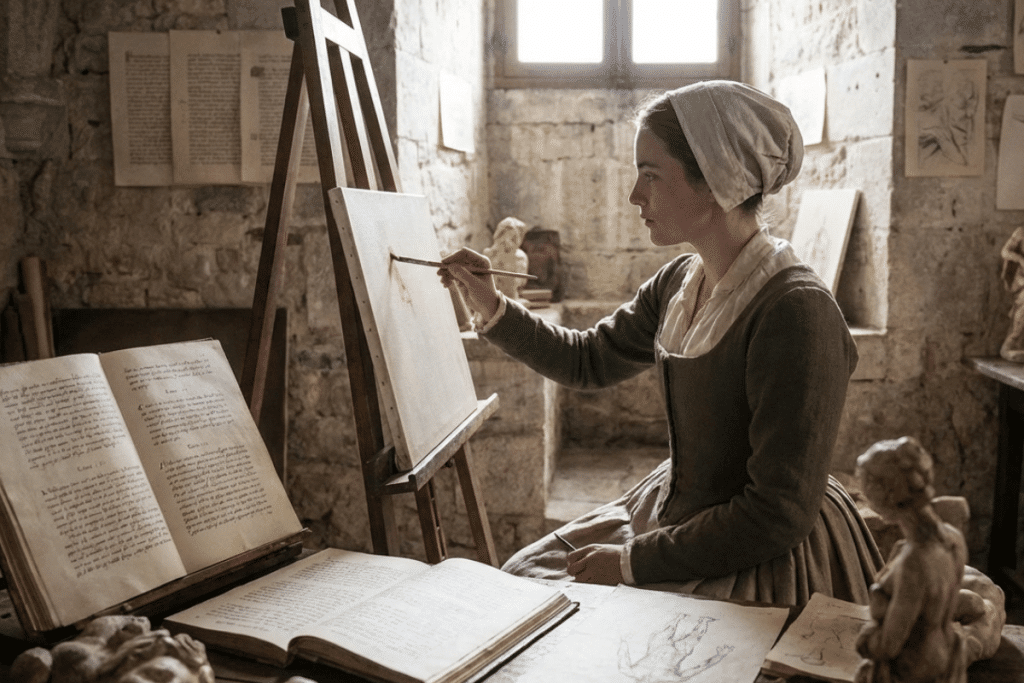
Historically, women were often excluded from formal art education, particularly during the Renaissance, Baroque, and even into the 19th century. Art academies and guilds, which were critical for developing artistic skills and gaining professional recognition, were almost entirely male-dominated.
Women who sought to become artists were often limited to informal training, usually provided by family members, or relegated to crafts and decorative arts, which were considered less prestigious than painting or sculpture.
- Time Period: This exclusion was most pronounced from the Renaissance (14th–17th centuries) through the 18th and 19th centuries, though it began to shift in the late 19th and early 20th centuries when women were finally admitted to art academies in Europe and North America.
- Impact on Forgery: Without access to formal training, it was difficult for women to master the technical skills and art historical knowledge necessary to convincingly replicate the works of Old Masters or other celebrated artists. This lack of access also meant fewer opportunities to establish connections within the art market, further limiting their ability to participate in forgery on a large scale.
2. Male-Dominated Art World
The art world has historically been controlled by male gatekeepers—collectors, dealers, critics, curators, and historians—who have often overlooked or dismissed women’s contributions. This systemic bias has shaped the way art history is written and remembered, with women frequently excluded from the narrative.
Even when women did create remarkable works, they were often attributed to male artists, as was the case with Judith Leyster, a 17th-century Dutch painter whose works were long misattributed to Frans Hals.
- Time Period: This male dominance was particularly pronounced from the Renaissance through the 19th century, though it persisted well into the 20th century. Even today, women artists and their contributions remain underrepresented in major art institutions and collections.
- Impact on Forgery: The male-dominated nature of the art market likely contributed to the under-documentation of female forgers. Male forgers like Han van Meegeren and Wolfgang Beltracchi have been celebrated (or vilified) as “geniuses,” while women involved in forgery have often been overlooked or dismissed as accomplices, with little attention paid to their skill or ingenuity.
3. Undetected Talent?
An intriguing theory suggests that women may actually be better at forgery than men, but their work has gone undetected. This speculation is rooted in the idea that women, historically excluded from the art world, may have developed an acute attention to detail and a deep understanding of the art market’s biases.
Additionally, societal assumptions about forgers being male may have contributed to female forgers flying under the radar.
- Modern Implications: While speculative, this theory highlights the possibility that women have been involved in forgery more often than we realize, but their contributions have been overlooked due to societal biases and the art world’s historical focus on male figures.
- Challenges Today: Even in the modern era, where women have greater access to art education and professional networks, the art world remains influenced by historical biases. Women artists and forgers alike may still face challenges in gaining recognition for their work, whether legitimate or illicit.
Shifting Barriers in the Modern Era
Today, women have far greater access to art education and professional opportunities than ever before. Major art academies and institutions are open to all genders, and women artists are increasingly gaining recognition in the art world.
However, the historical exclusion of women from these spaces has left a lasting impact, and systemic inequalities persist:
- Representation in Museums and Collections: Studies show that works by women artists still make up a small percentage of major museum collections and auction sales, reflecting ongoing gender disparities in the art market.
- Recognition of Female Forgers: While there are more opportunities for women to enter the art world today, female forgers remain less well-documented than their male counterparts. This may be due to lingering biases or simply a lack of research into their contributions.
The absence of well-known female forgers in history is a reflection of the systemic barriers that have long excluded women from the art world. These barriers—limited access to education, male-dominated institutions, and societal biases—were most pronounced from the Renaissance through the 19th century but have gradually diminished in the modern era.
While women today have far greater opportunities to participate in the art world, historical inequalities continue to shape perceptions of their contributions, even in the shadowy realm of forgery. By uncovering the stories of female forgers, we can challenge these biases and gain a deeper understanding of the complex interplay between creativity, deception, and recognition in the art world.
The Ethical Dilemmas of Art Forgery
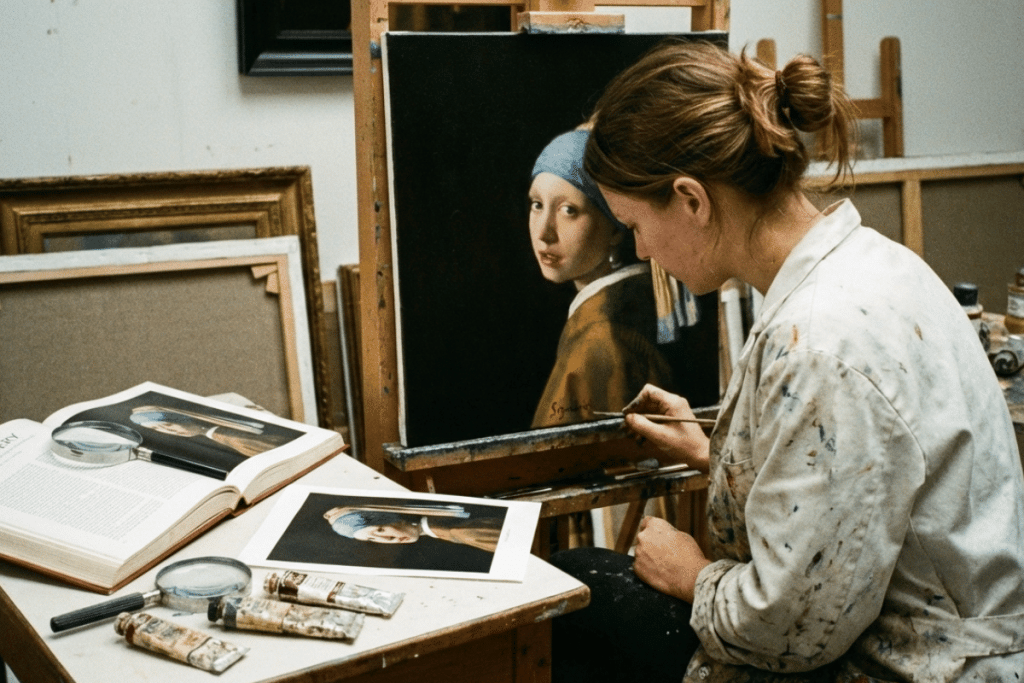
The stories of female forgers raise complex ethical questions. Is art forgery a crime, an act of rebellion, or a form of artistic expression? While forgery involves deception and financial fraud, it also requires extraordinary skill and creativity.
For women, these ethical dilemmas are further nuanced by the historical context of their work. In a world that often excluded them from artistic recognition, forgery may have been one of the few ways for women to showcase their talent and gain access to the art world. In this light, their actions can be seen as both subversive and creative.
Challenging Traditional Art Historical Narratives
The stories of female forgers challenge the traditional male-dominated narratives of art history. By uncovering their contributions, we can build a more inclusive understanding of art history that acknowledges the ingenuity and skill of women—even in the shadowy world of forgery.
These stories also force us to question the meaning of authenticity in art. If a forgery is indistinguishable from the original, does it lose value simply because of its creator? And how should we view forgers who have been excluded from traditional avenues of artistic recognition?
Unsung Geniuses or Master Criminals?
The narratives of female forgers are as complex as the works they created. Their extraordinary skill and ingenuity elevate them to the status of unsung geniuses, but their deceptive practices raise ethical questions that challenge our understanding of art and crime.
By uncovering their stories, we gain a deeper appreciation for their contributions and are prompted to rethink the boundaries of creativity, authenticity, and recognition in the art world. Whether we see them as criminals or artists, one thing is clear: these women’s stories deserve to be told, celebrated, and remembered.
This revised version organizes your blog post into clear sections with headings, making it easier to read and follow. It also provides a cohesive narrative that connects the historical context, key figures, and the broader implications of female art forgery. Let me know what you think!
Deep Dive Podcast
Check out our podcast to learn more.
Anita Louise Art is dedicated to art education, great artists, and inspiring others to find and create their art. We love art that uplifts and inspires. #ArtToMakeYouSmile! #ArtToMakeYouHappy!
If you want to see any of my art, you can find out more by clicking here. If you are interested in what inspires me and my paintings, you can discover more by clicking here.
We have a free newsletter and would love you to be part of our community; you can subscribe to the newsletter by clicking here. If you have any questions, I would be happy to talk to you anytime. You can reach me, Anita, by clicking here.
Subscribe to our Anita Louise Art YouTube Channel with great videos and information by clicking here.
Join us for our podcast “5 Minutes With Art.” Spend just 5 minutes a week with us to discover and learn about great art and artists. You can find out more about our podcast by clicking here.
Related Questions
Pulling Back the Curtain: Women Artists of the Baroque Era Who Shattered Conventions
The names Caravaggio, Bernini, and Rubens dominate the narrative, celebrated as the geniuses who defined one of art’s most theatrical and emotive periods. But what if that picture is incomplete? What if, hidden behind the shadows of these towering figures, there were women whose contributions were equally groundbreaking yet overlooked by history?
You can read Pulling Back the Curtain: Women Artists of the Baroque Era Who Shattered Conventions by clicking here.
Where Did The Renaissance Begin? Why It Was Essential
The Renaissance began in Florence, Italy in the 14th Century. Florence was essential for the Renaissance because of its location, wealth, and many other factors. As we explore the Renaissance and Florence, this vital movement started.
You can read more by reading our blog, Where Did The Renaissance Begin? Why It Was Essential by clicking here.
The Art of Forgery: Can AI Replicate a Master’s Hand Today?
While AI has made staggering leaps in its ability to mimic human creativity, true replication of a master’s touch remains elusive. Read on as we delves into the burgeoning world of digital forgery, exploring how AI attempts to capture the inimitable spirit of legendary artists and what this means for our understanding of authenticity and artistic genius.
Read our blog The Art of Forgery: Can AI Replicate a Master’s Hand Today? by clicking here.