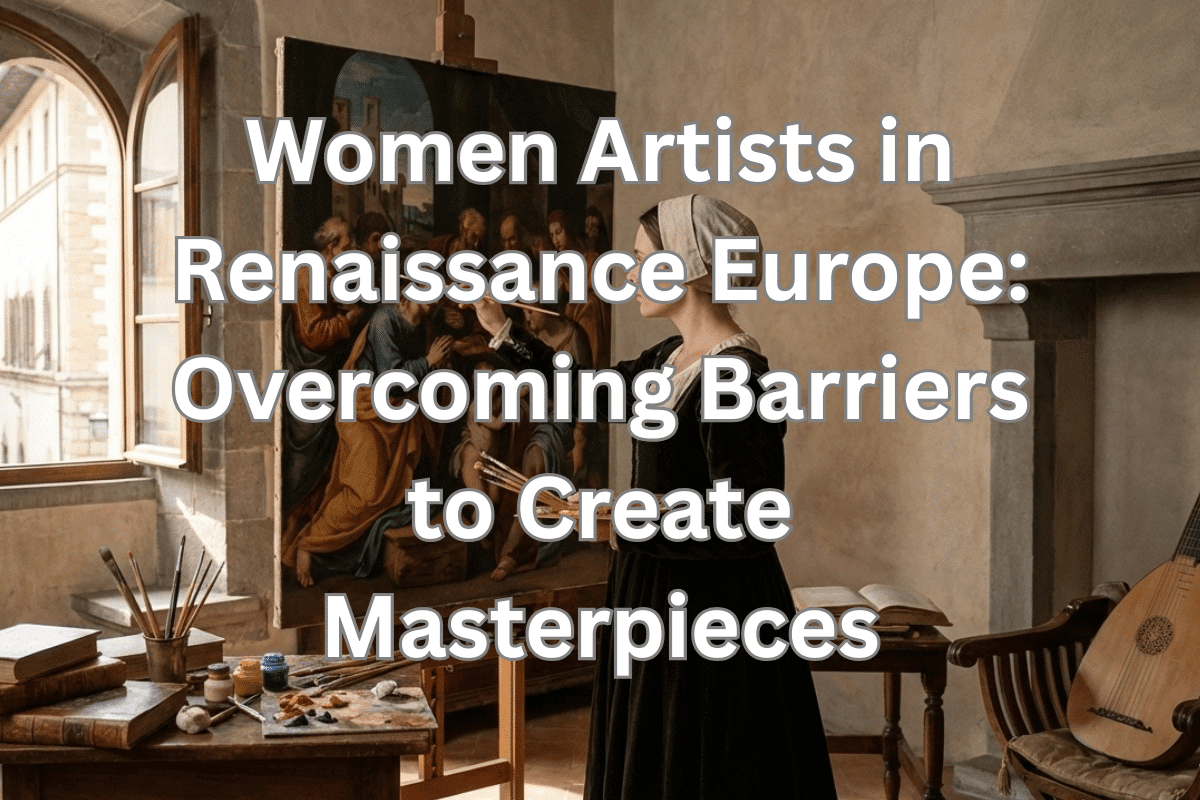
The Renaissance (14th–17th centuries) is often celebrated as a golden age of art, with legendary names like Michelangelo, Leonardo da Vinci, and Raphael dominating the narrative.
Women artists of the Renaissance period have often been overlooked, despite their remarkable contributions to the art world. These women faced significant societal and institutional barriers, which limited their access to formal training, patronage, and recognition. Yet, some managed to break through these restrictions, leaving behind a legacy of creativity and resilience.
Table of Contents
- The Challenges Renaissance Women Artists Faced
- How Women Navigated the Art World
- Deep Dive Podcast
- Related Questions
The Challenges Renaissance Women Artists Faced
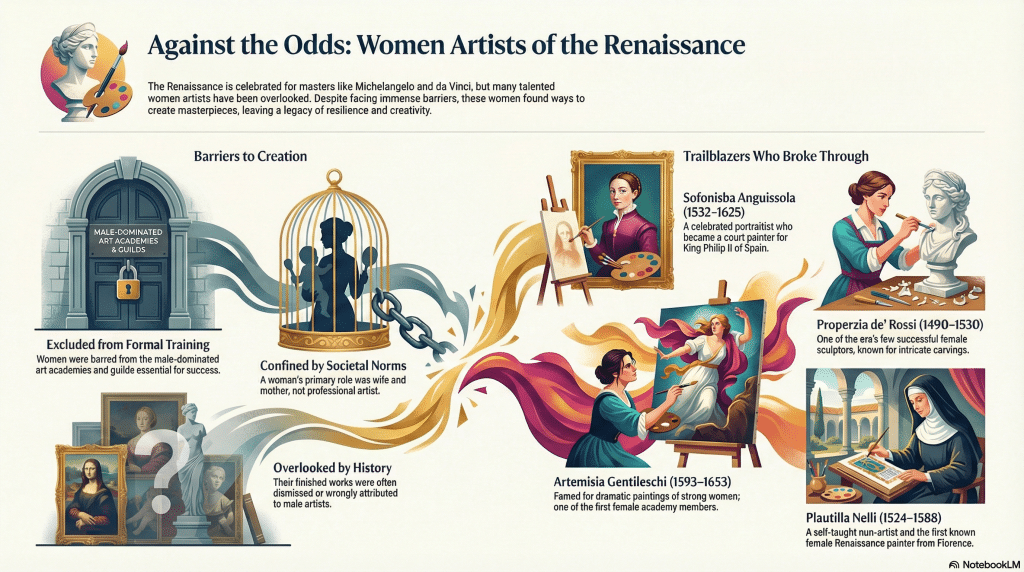
During the Renaissance, women were largely excluded from the formal art academies and guilds that were essential for artistic training and professional success. These institutions were dominated by men, and women were often deemed unsuitable for the rigorous study of anatomy or life drawing, which were considered critical for mastering painting and sculpture.
Additionally, societal norms dictated that women’s primary roles were as wives and mothers, leaving little room for artistic pursuits outside the domestic sphere. Women who wished to become artists were often limited to working within their family workshops or learning from male relatives. Even when they achieved artistic success, their works were often dismissed or attributed to male artists, further erasing their contributions from history.
Notable Women Artists of the Renaissance
Despite these challenges, several extraordinary women managed to rise above societal constraints and create exceptional works of art. Here are some of the most notable:
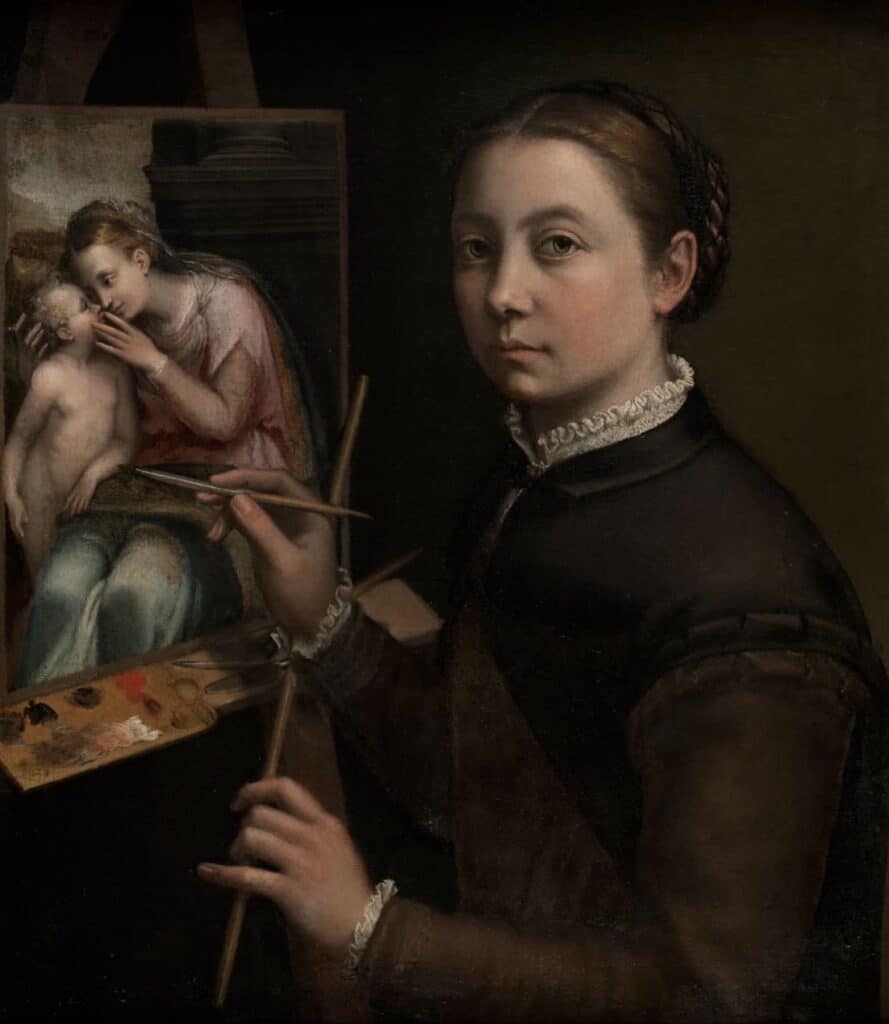
Sofonisba Anguissola (1532–1625):
Sofonisba Anguissola, an Italian painter, is one of the most celebrated female artists of the Renaissance. Born into a noble family, she received an education in the arts, an opportunity rarely afforded to women at the time. Her talent caught the attention of Michelangelo, who mentored her briefly, and she later became a court painter for Philip II of Spain. Known for her intimate and expressive portraits, Anguissola paved the way for future generations of women artists.
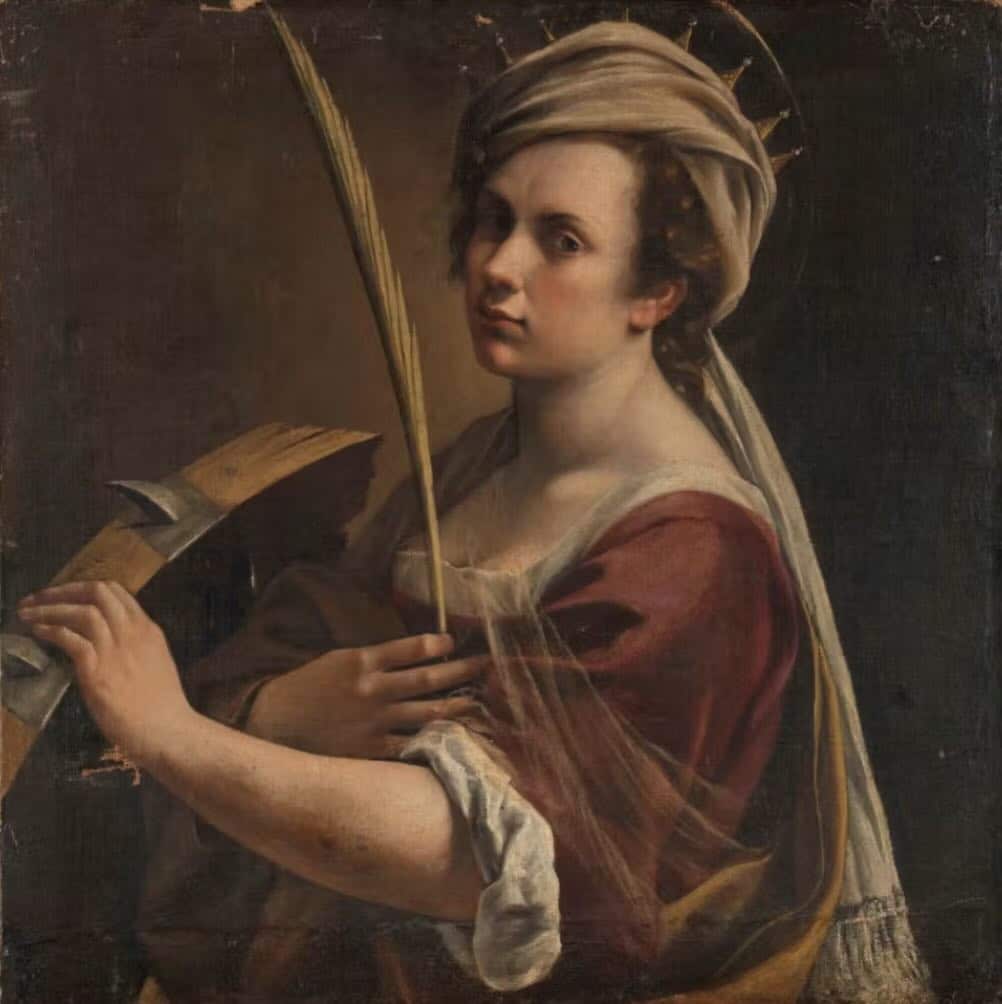
Artemisia Gentileschi (1593–1653):
A Baroque painter often associated with the Renaissance, Artemisia Gentileschi is renowned for her dramatic and emotionally charged works, often featuring strong and heroic women. As the daughter of painter Orazio Gentileschi, she trained in her father’s workshop and later became one of the first women admitted to the Accademia di Arte del Disegno in Florence. Her most famous work, Judith Slaying Holofernes, is celebrated for its powerful depiction of female strength and resilience.
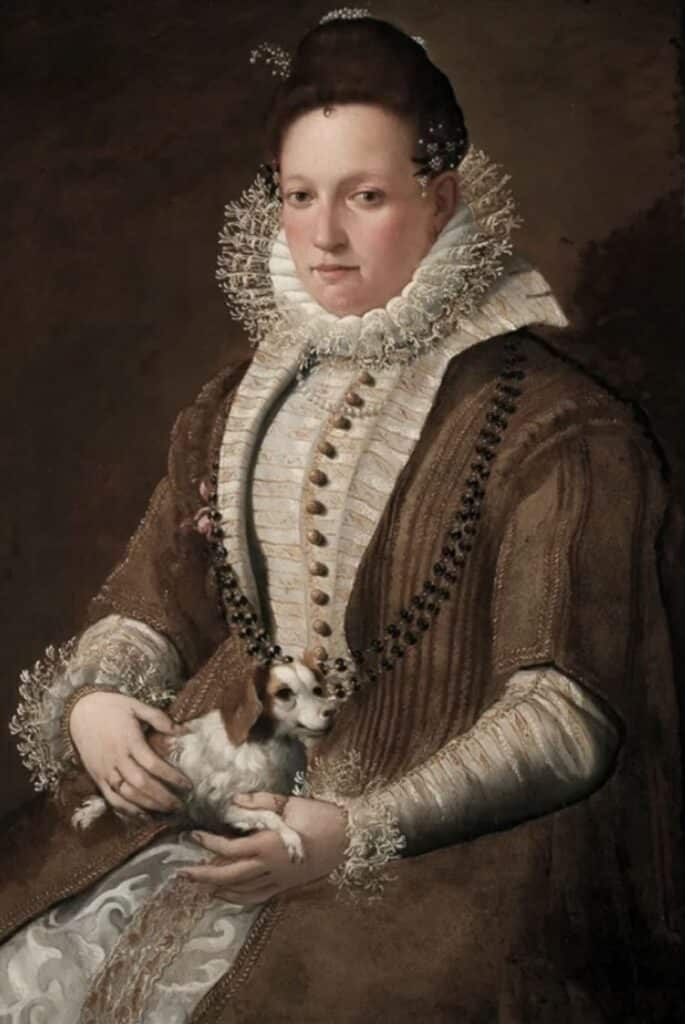
Lavinia Fontana (1552–1614):
Lavinia Fontana, another Italian painter, was one of the first women to achieve professional success as an artist outside of a convent or family workshop. She was known for her portraits and religious works, often commissioned by wealthy patrons. Fontana’s ability to navigate the male-dominated art world and secure commissions was a remarkable achievement for a woman of her time.
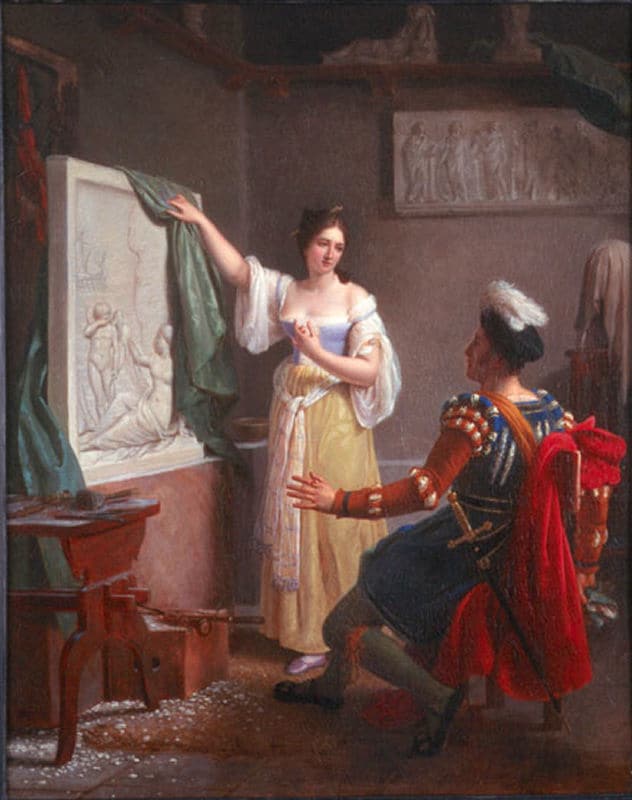
Properzia de’ Rossi (1490–1530):
Properzia de’ Rossi was one of the few women sculptors of the Renaissance. Based in Bologna, she gained fame for her intricate carvings and larger-scale sculptures, including works commissioned for the Basilica of San Petronio. Her success in a field dominated by men is a testament to her extraordinary talent and determination.
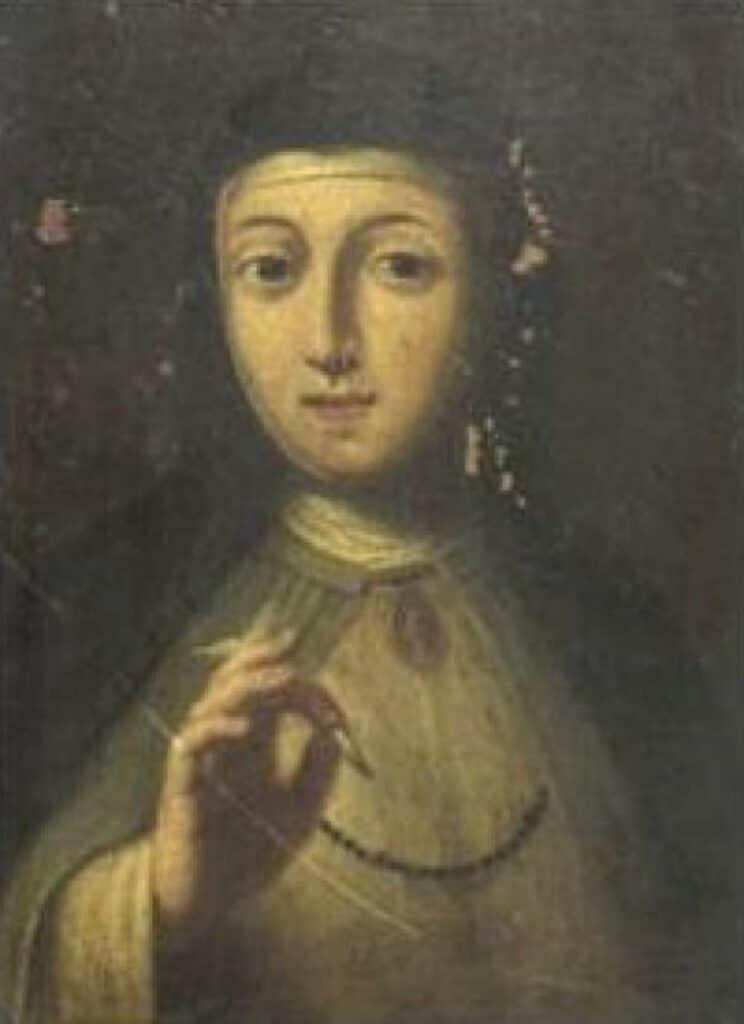
Plautilla Nelli (1524–1588):
Plautilla Nelli was a self-taught nun-artist from Florence and the first known female painter of Florence during the Renaissance. As a member of the Dominican convent of Santa Caterina da Siena, she created large-scale religious paintings, including The Last Supper, which is considered a masterpiece of devotional art.
How Women Navigated the Art World
Women who pursued art during the Renaissance often relied on alternative pathways to overcome societal restrictions:
- Family Workshops: Many women artists were trained by male relatives, such as fathers or brothers, who ran workshops. This provided them with the skills and tools necessary to create art, even if they couldn’t access formal academies.
- Convents: For women in religious orders, convents provided a unique space to develop artistic talents. Nuns like Plautilla Nelli created religious art to decorate their convents or for external commissions.
- Portraiture and Miniature Painting: Women often specialized in portraiture and miniature painting, genres that were considered more “appropriate” for women than large-scale historical or religious works.
The Legacy of Renaissance Women Artists
The contributions of women artists during the Renaissance have only recently begun to be fully recognized. For centuries, their works were overshadowed by their male counterparts, and their names were often omitted from art history. However, modern scholarship has brought renewed attention to their lives and achievements, allowing us to appreciate the extraordinary skill and determination it took for these women to succeed in a male-dominated world.
The stories of these women remind us that the history of art is far richer and more diverse than traditional narratives suggest. By uncovering their contributions, we not only honor their legacy but also gain a deeper understanding of the challenges they faced and the barriers they overcame to create art that continues to inspire us today.
Deep Dive Podcast
Check out our Deep Dive Podcast.
Anita Louise Art is dedicated to art education, great artists, and inspiring others to find and create their art. We love art that uplifts and inspires. #ArtToMakeYouSmile! #ArtToMakeYouHappy!
If you want to see any of my art, you can find out more by clicking here. If you are interested in what inspires me and my paintings, you can discover more by clicking here.
We have a free newsletter and would love you to be part of our community; you can subscribe to the newsletter by clicking here. If you have any questions, I would be happy to talk to you anytime. You can reach me, Anita, by clicking here.
Subscribe to our Anita Louise Art YouTube Channel with great videos and information by clicking here.
Join us for our podcast “5 Minutes With Art.” Spend just 5 minutes a week with us to discover and learn about great art and artists. You can find out more about our podcast by clicking here.
Related Questions
Pulling Back the Curtain: Women Artists of the Baroque Era Who Shattered Conventions
The names Caravaggio, Bernini, and Rubens dominate the narrative, celebrated as the geniuses who defined one of art’s most theatrical and emotive periods. But what if that picture is incomplete? What if, hidden behind the shadows of these towering figures, there were women whose contributions were equally groundbreaking yet overlooked by history?
You can read Pulling Back the Curtain: Women Artists of the Baroque Era Who Shattered Conventions by clicking here.
Where Did The Renaissance Begin? Why It Was Essential
The Renaissance began in Florence, Italy in the 14th Century. Florence was essential for the Renaissance because of its location, wealth, and many other factors. As we explore the Renaissance and Florence, this vital movement started.
You can read more by reading our blog, Where Did The Renaissance Begin? Why It Was Essential by clicking here.
Italy – Renaissance Art Defined And Explored
Originating in Florence, Italy, the Italian Renaissance is pivotal in shaping this transformative era, laying the artistic foundations we continue to admire today. Celebrated for its revival of classical ideals and introduction of innovative artistic techniques, the period also stands as a staunch advocate of humanistic values. Join us as we delve deeper into this fascinating Italian Renaissance art history chapter.
By clicking here, you can discover more by reading Italy – Renaissance Art Defined And Explored.