
There are many people who look at De Kooning’s Interchange and think it’s an “ugly” painting. They wonder how it could possibly be worth so much and sell for such an astronomical price—$300 million. Yes, $300 million for a single painting. Personally, I happen to like the artwork and would defend it, but even I have to admit that $300 million is an enormous amount of money for one piece of art.
Exploring Willem de Kooning’s Interchange, we dissect why a painting many perceive as “ugly” commanded a record-breaking price. We’ll unravel the artistic principles and historical context that elevate challenging works to priceless masterworks, connecting its radical abstraction to enduring artistic innovation.
Table of Contents
- The “Ugly” Truth: First Impressions of Interchange
- Beyond the Canvas: De Kooning’s Artistic Revolution
- Unpacking the Priceless: The Value Beyond Aesthetics
- The Legacy of Discomfort: Why Challenging Art Endures
- Your Artistic Eye: Redefining Masterpiece
- Why “Ugly” Paintings Can Be Priceless Masterpieces
- Deep Dive Podcast
- Related Questions
The “Ugly” Truth: First Impressions of Interchange
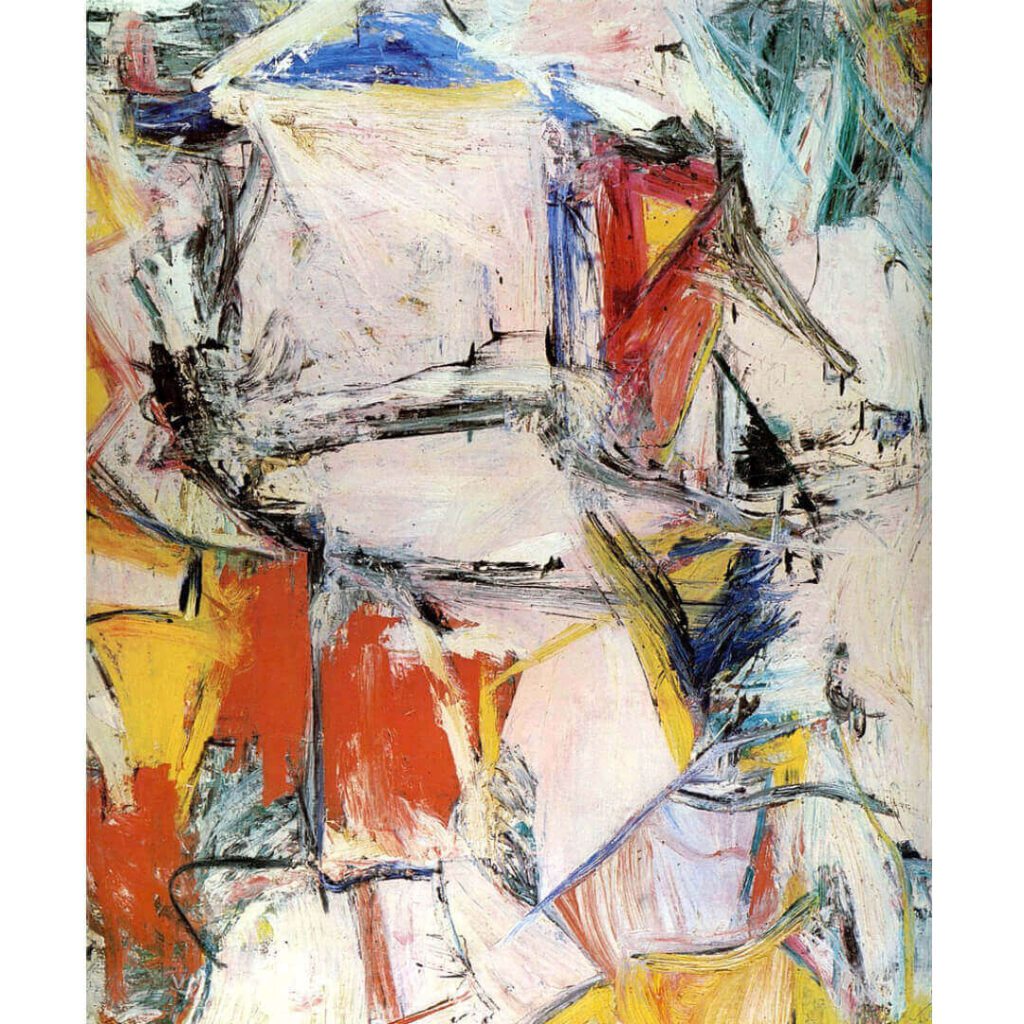
For many, Willem de Kooning’s Interchange is a perplexing painting. With its jagged lines, muddy colors, and seemingly chaotic composition, the painting often elicits visceral reactions of confusion or even disdain. It’s not uncommon to hear comments like:
- “How is this worth $300 million? My kid could paint that.”
- “This is just a mess of colors. What’s the big deal?”
- “I don’t get it. Why is this famous?”
Such reactions are common when encountering abstract art, particularly works that challenge traditional notions of beauty. Interchange is no exception. At first glance, it might appear as a chaotic swirl of shapes and colors, lacking the clarity and precision of more traditional art forms.
The visceral reaction to Interchange is part of its power. It forces viewers to confront their own biases about what art should look like and how it should make them feel.
But here’s the twist: this “ugly” painting sold for $300 million in 2015, making it one of the most expensive artworks ever sold. So, what exactly are we missing?
To understand why Interchange is considered a masterpiece, we need to look beyond the surface and dive into the artistic, historical, and cultural significance of this groundbreaking work.
Beyond the Canvas: De Kooning’s Artistic Revolution
To appreciate Interchange, it’s essential to understand the seismic shift in art that Willem de Kooning helped pioneer. The painting is a product of the Abstract Expressionist movement, which emerged in the United States during the mid-20th century.
The Seismic Shift of Abstract Expressionism
Abstract Expressionism was a radical departure from traditional art forms. It rejected the idea that art should depict recognizable subjects or adhere to conventional standards of beauty. Instead, it emphasized raw emotion, spontaneity, and the artist’s personal expression.
For artists like de Kooning, Jackson Pollock, and Mark Rothko, painting became an arena for action—a way to channel the subconscious, confront existential questions, and explore the human condition in the aftermath of World War II.
De Kooning’s Unique Contribution
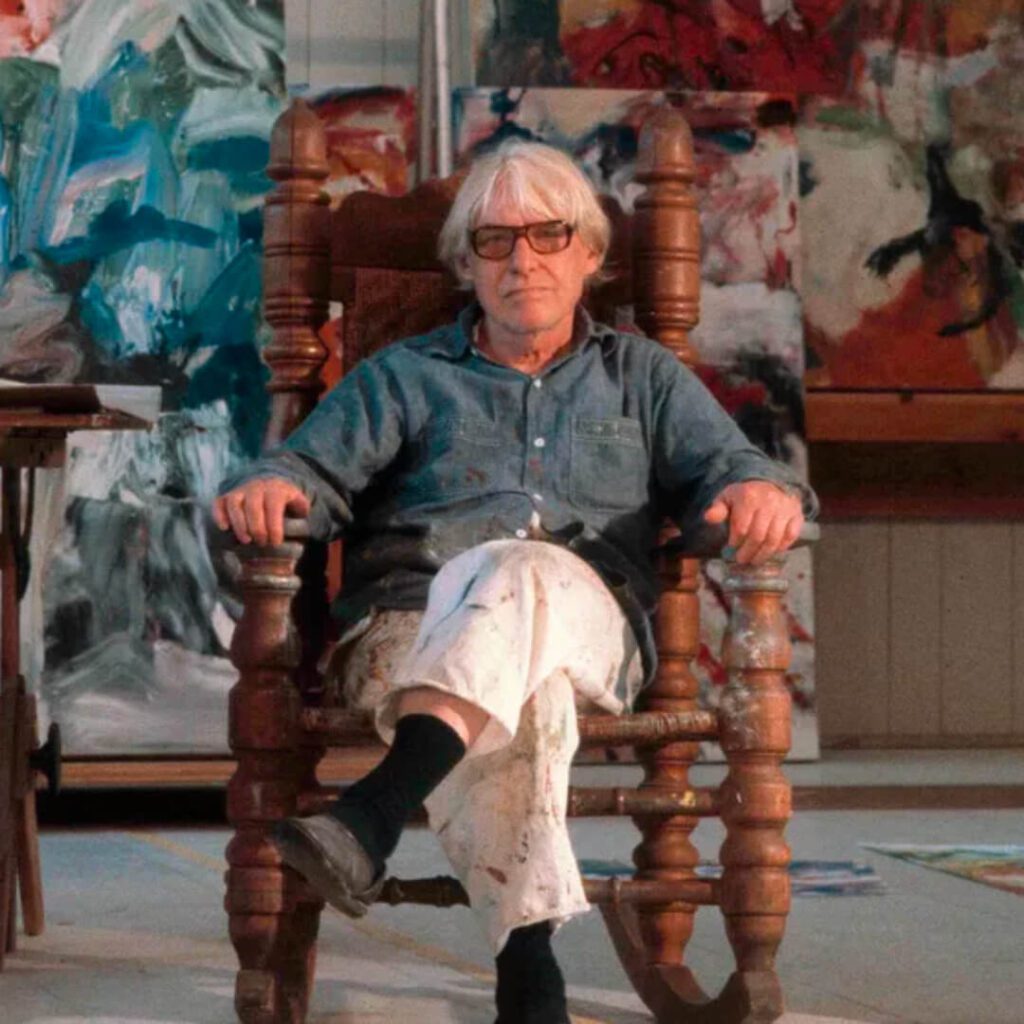
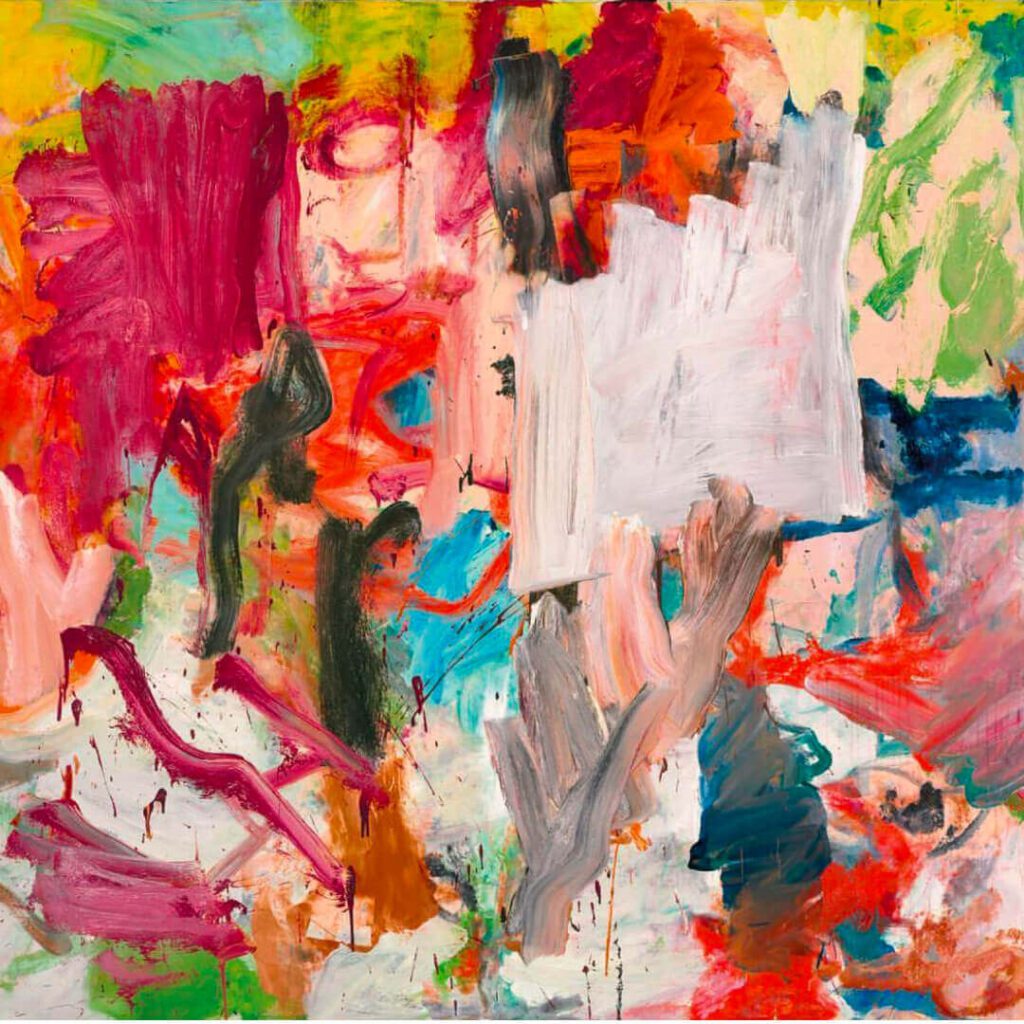
Willem de Kooning brought a distinctive energy to Abstract Expressionism. His gestural brushwork, dynamic compositions, and ability to blur the lines between figuration and abstraction set him apart from his peers.
In Interchange, de Kooning’s raw, almost violent brushstrokes create a sense of movement and tension. The painting captures the chaos and uncertainty of the post-war era while also reflecting de Kooning’s inner turmoil and creative process.
The Art World Context of 1955
When de Kooning painted Interchange in 1955, the world was grappling with the aftermath of World War II and the onset of the Cold War. This was a time of existential anxiety, as humanity faced the possibility of nuclear annihilation and struggled to find meaning in a fractured world.
In this context, Abstract Expressionism emerged as a new artistic language—a way to express the inexpressible. Interchange embodies this spirit of innovation and rebellion, challenging viewers to see beyond the surface and engage with the deeper emotional and philosophical questions it raises.
Unpacking the Priceless: The Value Beyond Aesthetics
So, what makes Interchange worth $300 million? The answer lies not in its aesthetic appeal but in its historical significance, scarcity, and the consensus of the art world.
A Record-Breaking Journey
Originally sold by Willem de Kooning in 1955 for just $4,000, Interchange has had an extraordinary journey through the art world. In September 2015, it was sold by the David Geffen Foundation to Kenneth C. Griffin for a staggering $300 million, ranking it second on the list of the most expensive paintings ever sold at the time.
The painting was later loaned to the Art Institute of Chicago, where it was displayed for several years. However, by 2024, it was no longer on public view there.
Today, Interchange remains the second most expensive painting ever sold, surpassed only by Leonardo da Vinci’s Salvator Mundi, which fetched $450.3 million in November 2017.
This extraordinary price tag reflects not only the painting’s artistic and historical significance but also its scarcity and provenance.
Historical Significance
Interchange represents a pivotal moment in American art and de Kooning’s career. It was one of the first major works in which he fully embraced abstraction, marking a departure from his earlier figurative paintings. This shift was groundbreaking, as it helped redefine the possibilities of painting and solidify Abstract Expressionism as a dominant force in the art world.
The painting also reflects the broader cultural and intellectual currents of the 1950s, including existentialism, psychoanalysis, and the search for new forms of expression in a rapidly changing world.
Scarcity and Provenance
Another factor contributing to Interchange‘s value is its rarity. De Kooning produced a relatively small number of major works, and Interchange is one of the finest examples of his mature style. Its provenance—the history of its ownership—also adds to its allure.
Before its record-breaking sale in 2015, Interchange was part of the prestigious collection of David Geffen, a billionaire philanthropist and art collector. Its journey through prominent collections underscores its status as a masterpiece and enhances its value in the eyes of collectors.
The “Masterpiece” Consensus
Art historians, critics, and collectors play a crucial role in shaping the value of artworks. Over time, Interchange has been celebrated as a masterpiece of Abstract Expressionism, earning its place in the canon of modern art. This consensus is not just about aesthetics; it’s about the painting’s cultural and historical significance, its impact on the art world, and its ability to provoke thought and emotion.
The Legacy of Discomfort: Why Challenging Art Endures
One of the most remarkable aspects of Interchange is its ability to provoke strong reactions, even decades after its creation. This is a hallmark of truly great art—it doesn’t just please the eye; it challenges the mind.
Art as a Mirror
Challenging art like Interchange acts as a mirror, reflecting societal shifts and provoking thought. In the 1950s, the painting captured the anxiety and uncertainty of a world in flux. Today, it continues to resonate because it speaks to universal themes of chaos, transformation, and the search for meaning.
The Evolution of “Beauty”
Our understanding of beauty is not fixed; it evolves over time and across cultures. What was once considered “ugly” or “shocking” can later be seen as innovative and groundbreaking. This is especially true in art, where challenging works often pave the way for new ideas and movements.
For example, the Impressionists were initially ridiculed for their loose brushwork and unconventional compositions. Today, their paintings are celebrated as masterpieces. Similarly, Interchange challenges traditional notions of beauty, inviting us to expand our understanding of what art can be.
From Interchange to Contemporary Art
The legacy of Interchange can be seen in contemporary art, where challenging and unconventional works continue to push boundaries. Artists like Gerhard Richter, Cecily Brown, and Mark Bradford draw on de Kooning’s innovations, using abstraction to explore complex emotions and ideas.
Your Artistic Eye: Redefining Masterpiece
Ultimately, the value of a painting like Interchange lies in its ability to provoke, inspire, and transform. It challenges us to look beyond the surface and engage with art on a deeper level.
Personal Engagement
As viewers, we have the power to redefine what we consider “ugly” or “beautiful” in art. By approaching challenging works with an open mind, we can discover new layers of meaning and appreciate the artist’s intent.
The Power of Context
Understanding an artwork’s history, context, and significance can transform our perception. When we learn about de Kooning’s artistic revolution, the cultural climate of the 1950s, and the legacy of Interchange, we begin to see the painting not as a chaotic mess but as a profound statement about the human condition.
The Enduring Impact of Interchange
More than six decades after its creation, Interchange continues to spark debate and inspire. Its radical abstraction, raw energy, and historical significance make it a masterpiece that transcends time and challenges our understanding of art.
Why “Ugly” Paintings Can Be Priceless Masterpieces
Willem de Kooning’s Interchange is a testament to the transformative power of art. It reminds us that beauty is not a prerequisite for greatness and that the most valuable works are often those that challenge us the most.
By looking beyond first impressions and engaging with the deeper meaning of challenging art, we can uncover the priceless insights it has to offer. So, the next time you encounter a painting that seems “ugly” or incomprehensible, take a moment to look closer. You might just discover a masterpiece.
Deep Dive Podcast
Check out our Deep Dive Podcast
Anita Louise Art is dedicated to art education, great artists, and inspiring others to find and create their art. We love art that uplifts and inspires. #ArtToMakeYouSmile! #ArtToMakeYouHappy!
If you are interested to see any of my art, you can find out more by clicking here. If you are interested in what inspires me and my paintings, you can discover more by clicking here.
We have a free newsletter and would love you to be part of our community; you can subscribe to the newsletter by clicking here. I would be happy to talk to you if you have any questions. You can reach me, Anita, by clicking here.
Subscribe to our Anita Louise Art YouTube Channel with great videos and information by clicking here.
Join us for our podcast “5 Minutes With Art.” Spend just 5 minutes a week with us to discover and learn about great art and artists. You can find out more about our podcast by clicking here.
Related Questions
The Legacy Of De Kooning: How His Art Shaped Contemporary Art
Willem De Kooning was a Dutch-American painter widely considered one of the most influential artists of the 20th century. He was a leading figure in the Abstract Expressionist movement, and his work continues to influence contemporary art today. Read on as we explore De Kooning’s legacy and how his art shaped contemporary art.
Read our blog The Legacy Of De Kooning: How His Art Shaped Contemporary Art by clicking here.
Why Are Mark Rothko’s Paintings Considered Special?
Mark Rothko’s paintings are remarkable because they are original works of art. He is one of the founders of the abstract expressionism movement and color field painting. But more than that, he believed that his spirit lives within the art and that we, the individuals, ca we view his art, can be taken to a different realm.
By clicking here, you can learn more by reading Why Are Mark Rothko’s Paintings Considered Special?.
Who is the American Artist Jackson Pollock (1912-1956)?
Jackson Pollock is considered by some to be one of the most brilliant American abstract artists that ever lived. Others consider his work of art as tossing around cans of paint by an artistic madman. One thing for certain is that Jackson Pollock is an important American abstract artist.
You can learn more by reading the blog Who is the American Artist Jackson Pollock (1912-1956)? by clicking here.